Research Chemicals For Sale | Buy Research Chemicals Online

Search

In Stock

Buy Zinc Cyanide/ CAS NO. 557-21-1 /factory supply

Product Specifications:

  • Linear Formula: Zn(CN)2
  • CAS Number: 557-21-1
  • Molecular Weight: 117.42 g/mol

Popular Suppliers and Products:

  • Zinc Cyanide, 98% – Sigma-Aldrich
  • Zinc Cyanide, 98%, Thermo Scientific
  • Zinc Cyanide, 98%, Alfa Aesar
  • Zinc Cyanide – PubChem
  • Zinc Cyanide Plating Solutions (Classic Reprint by William Blum)


$282.10

<span class="ts-tooltip button-tooltip" data-title="Add to compare">Compare</span>

Zinc Cyanide (Zn(CN)₂): Legal, Safe, and Transaction-Ready Guide for Researchers and Industry

Introduction

              Zinc Cyanide is an industrial inorganic chemical with critical applications in electroplating, chemical synthesis, and materials research. Due to its extreme toxicity, it is tightly regulated worldwide. This guide helps labs, industrial users, and educational institutions navigate sourcing, legal compliance, and safe usage of Zinc Cyanide.


Key Chemical Information

Property Description
Chemical Name Zinc Cyanide
Formula Zn(CN)₂
CAS Number 557-21-1
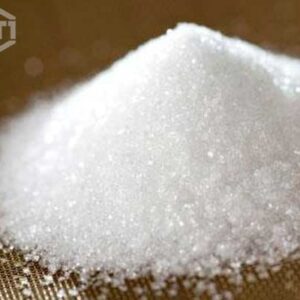
Appearance White crystalline powder
Density 2.05 g/cm³
Solubility Slightly soluble in water, soluble in acids
Decomposition Releases HCN when in contact with acids
Molar Mass 97.44 g/mol

Industrial and Research Applications

  • Electroplating: Provides zinc ions for corrosion-resistant metal coatings.
  • Organic & Inorganic Synthesis: Reagent for cyanide-containing compounds and metal complexes.
  • Materials Science: Used in metal-organic frameworks (MOFs) and coordination polymers.
  • Analytical Chemistry: Reference for cyanide coordination studies.

Legal and Regulatory Overview

Jurisdiction Regulatory Details
USA (OSHA/EPA) Strict exposure limits; handling requires PPE and ventilated hoods.
EU (REACH) Classified as a hazardous chemical; only licensed distributors may sell.
International Transport UN 1689: hazardous material; special shipping protocols required.
Institutional Guidelines Must comply with IBC, GLP, and chemical inventory tracking.

Important: Only licensed research institutions, industrial facilities, or certified labs are authorized to handle Zinc Cyanide.


Safe Handling and Storage Guidelines

  1. PPE Requirements: Lab coat, gloves, goggles, respirator.
  2. Work Environment: Conduct all manipulations in a fume hood with cyanide emergency protocols in place.
  3. Storage: Airtight containers, dry environment, away from acids and moisture.
  4. Emergency Measures: Cyanide antidotes (e.g., hydroxocobalamin) must be available.
  5. Waste Disposal: Follow local hazardous waste regulations; do not pour into drains.

Step-by-Step Acquisition Guide for Licensed Institutions

Step Action
1. Assess Research Needs Determine the quantity and purity of Zinc Cyanide required for specific experiments or industrial processes.
2. Verify Licensing Requirements Ensure your institution or company holds licenses to handle hazardous cyanide compounds.
3. Identify Accredited Suppliers Only purchase from certified industrial chemical distributors (Sigma-Aldrich, Thermo Fisher, Alfa Aesar).
4. Request Documentation Obtain COA (Certificate of Analysis), SDS (Safety Data Sheet), and purity certifications.
5. Place Order through Approved Channels Use institutional procurement systems for proper tracking.
6. Receive & Inspect Shipment Check for container integrity, labeling, and temperature control.
7. Store Safely Lock storage areas; segregate from acids and incompatible chemicals.
8. Maintain Inventory & Usage Logs Record batch numbers, quantities, and disposal details for regulatory compliance.

Analytical and Research Tools

  • X-ray Crystallography: Determine Zn-CN bonding geometry.
  • IR Spectroscopy: Detect CN stretching vibrations.
  • UV-Vis Spectroscopy: Study metal-ligand interactions.
  • Titration/Cyanide Analysis: Quantify cyanide safely.
  • TGA/DSC: Assess thermal decomposition and stability.

Tip: Always use validated analytical methods when handling toxic cyanide compounds.


Keywords & Tags

Keywords: Zinc Cyanide, Zn(CN)₂, industrial cyanide, electroplating chemicals, MOFs precursor, hazardous chemical handling, licensed chemical suppliers, chemical inventory, lab safety, cyanide regulations.

Tags: #ZincCyanide #ZnCN2 #IndustrialChemicals #LabSafety #Electroplating #MOFResearch #ChemicalHandling #HazardousMaterials #LicensedSuppliers #ResearchCompliance


Conclusion

Zinc Cyanide is a powerful industrial chemical with significant applications in electroplating, organic synthesis, and materials research. Safe use requires:

  • Licensed suppliers
  • Strict adherence to regulatory guidelines
  • Robust lab safety protocols

This guide provides a clear roadmap for commercial, navigational, and research use, making it easy for institutions to source, handle, and use Zinc Cyanide legally and safely.


Purchase Zinc Cyanide (CAS NO. 557-21-1) – Direct Factory Supply

Buy Zinc Cyanide/ CAS NO. 557-21-1 /factory supply. Buy high-quality Zinc Cyanide, available for direct purchase with factory supply at competitive rates. Zinc cyanide (Zn(CN)2) is an inorganic compound commonly used in electroplating zinc and specialized applications in organic synthesis. Secure your supply of Zinc Cyanide (CAS-557-21-1) today.

Zinc Cyanide Structural Information (CAS-557-21-1)
The molecular formula for zinc cyanide is Zn(CN)2. In its structure, zinc atoms are coordinated in a tetrahedral environment, with cyanide ligands acting as bridges between the zinc centers. This configuration forms two “interpenetrating” frameworks, often described as an “expanded diamondoid” structure. The cyanide group can exhibit head-to-tail disorder, where each zinc atom may be surrounded by a varying number of carbon and nitrogen atoms, ranging from one to four. Notably, zinc cyanide has one of the most significant negative coefficients of thermal expansion, surpassing zirconium tungstate, the previous record holder.

Chemical Properties of Zinc Cyanide (CAS-557-21-1)
Zinc cyanide, typical of inorganic polymers, exhibits low solubility in most solvents. However, it can be dissolved or degraded in aqueous solutions containing basic ligands such as hydroxide, ammonia, or additional cyanide, resulting in the formation of anionic complexes.

Synthesis of Zinc Cyanide (CAS-557-21-1)
Zinc cyanide is synthesized easily by reacting aqueous solutions of cyanide and zinc ions. A common preparation method involves a d

  • Zinc Cyanide Plating Solutions (Classic Reprint by William Blum)

Packaging and Availability:
Zinc cyanide is typically available in powder form, with packaging options ranging from 25 to 50 kg, depending on customer requirements. Bulk orders and customized packaging are also available.

For more information or to place an order for Zinc Cyanide(CAS-557-21-1), contact us today to receive the latest pricing and delivery options.

Bestsellers

Factory supply Copper Sulphate Pentahydrate CAS NO.7758-98-7/ wholesale price

$49.88
(0 Reviews)
CuSO₄·5H₂O, or copper(II) sulfate pentahydrate, is used in agriculture as a fungicide, algaecide, and pesticide; in water treatment to control algae and bacteria; as a veterinary feed supplement to prevent copper deficiency; as an additive in the textile and leather industries; and in mining and metallurgy for electroplating and as a flotation reagent. It also serves as a mordant in dyeing, a root killer, a component in pigments and dyes, and in educational and laboratory experiments for growing crystals and testing for alcohol.

factory supply Di-ammonium Phosphate/ CAS NO. 7783-28-0/ wholesale

$32.49
(0 Reviews)
Factory Supply of Diammonium Phosphate (DAP) / CAS NO. 7783-28-0                                   factory supply Di-ammonium Phosphate/ CAS NO. 7783-28-0/ wholesale: Diammonium Phosphate (DAP), also known as Diammonium Hydrogen Phosphate, has the chemical formula (NH4)2(HPO4)(NH_4)_2(HPO_4)(NH4​)2​(HPO4​). It is a water-soluble ammonium phosphate salt produced by the reaction of ammonia with phosphoric acid. Chemical Properties:
  • CAS Number: 7783-28-0
  • Molecular Formula: H9N2O4PH_9N_2O_4PH9​N2​O4​P
  • Appearance: White or colorless powder
  • Purity: ≥99.9%
  • Melting Point: Decomposes at approximately 70°C (158°F)
  • Dissociation Pressure: Approximately 5 mmHg at 100°C
Physical and Chemical Characteristics:
  • Solubility: Water-soluble
  • Average pH in Solution: 7.5–8
  • Decomposition Products: Ammonia, mono ammonium phosphate, phosphorus oxides, nitrogen oxides
Applications:
  1. Fertilizer:
    • Commonly used as a fertilizer due to its high phosphorus content (typically 46% P₂O₅) and moderate nitrogen content (typically 18% N).
    • It temporarily increases soil pH but becomes more acidic over time due to nitrification.
  2. Fire Retardant:
    • Lowers combustion temperatures, reduces weight loss rates, and increases residue formation.
    • Used in wildfire control and fire retardant products, including some commercial firefighting products and “fire retardant” cigarettes.
  3. Yeast Nutrient:
    • Utilized in winemaking and mead-making to enhance yeast activity.
  4. Industrial Uses:
    • Additive in some cigarette brands as a nicotine enhancer.
    • Used in preventing afterglow in matches, purifying sugar, and as a flux for soldering metals.
    • Controls precipitation of dyes on wool.
Natural Occurrence:
  • Found as the rare mineral phosphammite and in guano deposits.
Safety and Handling:
  • Storage: Store in a dry, cool, and well-sealed container.
  • Transportation: Can be transported via sea, air, or express for sample orders.
Ordering Information:
  • Delivery Time: Within 2 days after payment is received.
  • Packaging: Customized based on customer’s request.
  • Port: Shanghai, China
  • Production Capacity: 1000 Metric Tons/Week
  • Limit: 10 grams for sample orders
Specifications:
  • Compound Purity: ≥99.7%
  • Residue on Ignition: 0.15%
  • Heavy Metals: None detected
  • Valid Period: Two years from the date of manufacture
For inquiries or to place an order, please contact us directly for pricing, availability, and additional documentation such as the Certificate of Analysis (COA).

Buy factory price Glacial Acetic Acid CAS NO. 64-19-7 wholesale

$141.94
(0 Reviews)
Buy factory price Glacial Acetic Acid CAS NO. 64-19-7 wholesale Purchase Glacial Acetic Acid | CAS No. 64-19-7 | Wholesale Prices Buy Glacial Acetic Acid at Factory Prices Buy factory price Glacial Acetic Acid CAS NO. 64-19-7 wholesale, systematically known as ethanoic acid, is a colorless, acidic liquid with the chemical formula CH₃COOH (also written as CH₃CO₂H, C₂H₄O₂, or HC₂H₃O₂). This substance is highly concentrated and differs from vinegar, which contains at least 4% acetic acid by volume, making acetic acid the primary component of vinegar aside from water and trace elements. Characteristics and Uses Glacial acetic acid is the second simplest carboxylic acid, following formic acid, and features a methyl functional group. It plays a critical role as an industrial and chemical reagent. Its primary applications include:
  • Cellulose Acetate Production: Used in the manufacture of photographic film.
  • Polyvinyl Acetate Production: Essential for making wood glue and various synthetic fibers and fabrics.
  • Household Use: Found in descaling agents.
  • Food Industry: Regulated as a food additive (E260), it acts as an acidity regulator and condiment.
  • Biochemistry: The acetyl group, derived from acetic acid, is vital for all forms of life, particularly in carbohydrate and fat metabolism when bound to coenzyme A.
Global Production and Supply The global demand for acetic acid is approximately 6.5 million metric tons annually, with around 1.5 million tons sourced from recycling. The remainder is produced from methanol. Vinegar, primarily composed of dilute acetic acid, is typically produced via fermentation and subsequent ethanol oxidation. Terminology and Properties
  • Trivial Name: Acetic Acid
  • Systematic Name: Ethanoic Acid
  • Melting Point: 16-16.5°C
  • Boiling Point: 117-118°C
  • Refractive Index: 1.3715
  • Flash Point: 40°C
  • Purity: 99.8%
  • Appearance: Colorless Transparent Liquid
  • CAS Number: 64-19-7
  • EINECS Number: 200-580-7
The term “glacial acetic acid” refers to anhydrous acetic acid, which forms ice-like crystals slightly below room temperature (16.6°C or 61.9°F). This name derives from the ice-like appearance of the substance at this temperature. Product Listings and Availability
  • Acetic Acid (Glacial) 100% CAS 64-19-7 – Available from various suppliers
  • Factory Price Glacial Acetic Acid CAS No. 64-19-7 Wholesale – Bulk purchase options
  • China Acetic Acid CAS 64-19-7 Glacial Acetic Acid Price – Competitive pricing
  • Glacial Acetic Acid Industrial CAS 64-19-7 Bulk Price – Factory wholesale rates
  • Global Sources – Industrial grade and wholesale prices
Ordering and Delivery Information
  • Inquiry Response: All inquiries regarding our products or pricing will be answered within 12 hours.
  • Customer Support: Our well-trained and experienced staff are available to address your questions in fluent English.
  • Quality Assurance: All products come with high-quality warranties.
  • Sample Orders: Samples can be delivered within 3 working days. Small orders are processed within 3-5 working days, while mass orders take 7-10 working days.
  • Free Samples: We offer free samples, with customers only needing to cover the freight. The freight cost can be refunded upon placing a formal order.
For more details, to request samples, or to place an order, please contact us directly.

Buy factory price Formaldehyde Solution/ CAS NO. 50-00-0 wholesale

$20.44
(0 Reviews)
Buy factory price Formaldehyde Solution/ CAS NO. 50-00-0 wholesale Buy Formaldehyde Solution (CAS No. 50-00-0) Wholesale | Factory Price Product Overview:
  • Chemical Name: Formaldehyde Solution (also known as Methanal, Formalin)
  • CAS Number: 50-00-0
  • Molecular Formula: CH2O
  • Purity: 99%
  • Concentration: Commonly available as 37% formaldehyde solution stabilized with methanol
  • EINECS Numbers: 200-001-8, 608-494-5
  • Appearance: Clear liquid (aqueous solution)
  • Melting Point: -15°C
  • Boiling Point: 97°C (37% solution), -19.5°C (pure formaldehyde)
  • Density: 1.09 g/ml at 25°C
  • Flash Point: 60°C (133°F)
  • Storage Temperature: 2-8°C (cool and well-ventilated area)
Applications:
  • Chemical Manufacturing: Formaldehyde is a key precursor in the production of industrial resins, including urea-formaldehyde and phenol-formaldehyde resins, commonly used in particle board, plywood, and coatings.
  • Preservative: Commonly used as a preservative in embalming fluids and for storing biological specimens (formalin).
  • Disinfectant: Used as an antiseptic and disinfectant in various industrial and medical settings.
  • Laboratory Use: Formaldehyde is widely used in laboratories for tissue fixation and as a reagent in various chemical reactions.
Product Specifications:
  • Vapor Density: 1.03 (vs air)
  • Vapor Pressure: 52 mm Hg (at 37°C)
  • Refractive Index: 1.377 (n20/D)
  • Water Solubility: Soluble in water
  • Packaging: Typically available in 25 kg bags or liquid drums depending on customer requirements
  • Storage: Store in a cool, well-ventilated place away from heat sources, with a storage temperature of 2-8°C
Safety Information:
  • Hazard Codes: T (Toxic)
  • Risk Statements: R23/24/25, R34, R40, R43, R45, R68 (Inhalation, skin contact, ingestion hazards; risk of cancer)
  • Safety Statements: S36/37, S51, S45, S53 (Use protective clothing, work in well-ventilated areas, avoid exposure)
  • UN Number: 1198 (Hazard Class: 3, Packing Group: III)
  • WGK (Germany): 2 (Water hazard class)
  • RIDADR: UN 1198 3/PG III (Hazardous for transport)
Ordering Information:
  • MOQ: 1 kilogram (or as required)
  • Production Capacity: Large-scale production available (contact for specific quantities)
  • Packaging: Customizable based on client needs (e.g., 25 kg bags, bulk liquid containers)
  • Delivery Time: As per customer request (typically 5-15 days)
  • Port: Any major port in China
  • Shipping: Available by sea or air (DHL/UPS/FedEx)
For more information on pricing, availability, and delivery, contact certified suppliers who provide Formaldehyde solutions at competitive factory prices. Be sure to inquire about product certifications such as COA (Certificate of Analysis) and MSDS (Material Safety Data Sheet) to ensure compliance with safety standards. Buy factory price Formaldehyde Solution Always handle formaldehyde with proper protective equipment and in well-ventilated areas, following all applicable safety regulations.Buy factory price Formaldehyde Solution

Factory supply 5-Aminotetrazole Iodine /CAS NO. 7553-56-2/ wholesale

$39.60
(0 Reviews)
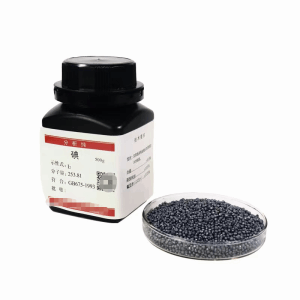
Quick Details for 5-Aminotetrazole Iodine (CAS NO. 7553-56-2):
  • Classification: Endocrine System Agents
  • CAS Number: 7553-56-2
  • Chemical Name: Iodine
  • Molecular Formula: I2
  • Melting Point: 113°C (lit.)
  • Boiling Point: 184°C (lit.)
  • Refractive Index: 1.788
  • Flash Point: None
  • Purity: 99.5%
  • Usage: Endocrine System Agents
  • EINECS Number: 231-442-4
  • Alias: Iodine
  • Appearance: Black solid
  • Color: Black
  • Molecular Weight: 253.81
Packaging & Delivery:
  • Packaging Details: Available in 50kg drums or as per your request.
  • Delivery Time: Within 7 days after payment confirmation.

Buy factory Potassium Sulphate/ CAS NO. 7778-80-5 /wholesale price

$59.00
(0 Reviews)
Buy Potassium Sulphate (CAS No. 7778-80-5) Online | Wholesale Price Product Overview:
  • Chemical Name: Potassium Sulphate (also known as Sulphate of Potash, SOP, Arcanite)
  • CAS Number: 7778-80-5
  • Molecular Formula: K2SO4
  • Appearance: White crystal powder
  • Purity: 99% minimum
  • Melting Point: 1067°C
  • Boiling Point: 1689°C
  • Density: 1.3 g/cm³
  • Refractive Index: 1.494 - 1.497
  • Flash Point: 1689°C
  • EINECS Number: 231-915-5
Applications:
  • Fertilizer: Widely used in agriculture as a potassium-rich fertilizer, providing both potassium (K) and sulfur (S) for crop growth.
  • Pharmaceutical Intermediate: Utilized in the production of certain medicines.
  • Industrial Uses: Used in the production of glass, synthetic rubber, and as a nutrient in water treatment processes.
  • Food Additive: Used in food processing (FCC grade) as a nutrient source and stabilizer.
Product Specifications:
  • Physicochemical Properties:
    • Boiling Point: 677.7°C at 760 mmHg
    • Molecular Weight: 174.26 g/mol
    • LogP: 6.74360
    • Vapor Pressure: 3.16E-18 mmHg at 25°C
  • Packaging: Available in various packaging options including foil bags, drums, and bulk containers. Custom packaging upon request.
  • Storage: Keep in a cool, dry place to avoid moisture absorption.
Ordering Information:
  • MOQ: 1 kilogram or as required
  • Delivery Time: Typically shipped within 3 days after payment
  • Shipping: Available by sea or air (DHL, UPS, FedEx)
  • Production Capacity: Contact for specific volume requirements
  • Port: Any major port in China
Where to Buy: Potassium sulphate is available through reliable suppliers and manufacturers offering factory-direct pricing. Contact suppliers for bulk orders, factory prices, and detailed product information. Safety and Handling:
  • Storage Conditions: Store in a cool, dry place. Avoid exposure to moisture and incompatible materials.
  • Safety: Potassium sulphate is generally safe to handle, but protective equipment such as gloves and eye protection is recommended for industrial use.
For pricing, bulk inquiries, and more details, please contact certified suppliers who provide COA (Certificate of Analysis) and MSDS (Material Safety Data Sheet) for quality assurance.

Buy Zinc Cyanide/ CAS NO. 557-21-1 /factory supply

$282.10
(0 Reviews)
Product Specifications:
  • Linear Formula: Zn(CN)2
  • CAS Number: 557-21-1
  • Molecular Weight: 117.42 g/mol
Popular Suppliers and Products:
  • Zinc Cyanide, 98% – Sigma-Aldrich
  • Zinc Cyanide, 98%, Thermo Scientific
  • Zinc Cyanide, 98%, Alfa Aesar
  • Zinc Cyanide – PubChem
  • Zinc Cyanide Plating Solutions (Classic Reprint by William Blum)
 

Back to Top
Product has been added to your cart

Select at least 2 products
to compare