Research Chemicals For Sale | Buy Research Chemicals Online

Search

Need help? WhatsApp: +1(210)-373-8003 // sales@lilcentglobalmedicalpharmacy.com

In Stock

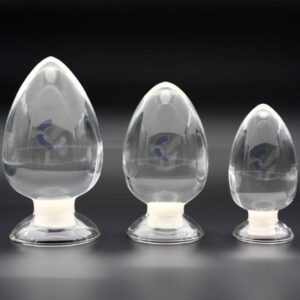
Buy factory Boric Acid/ CAS 10043-35-3 / 11113-50-1/ wholesale

Buy Boric Acid (CAS 10043-35-3 / CAS 11113-50-1) Wholesale | Factory Supply

Product Overview:

  • Chemical Name: Boric Acid (also known as Hydrogen Borate, Boracic Acid, Orthoboric Acid)
  • CAS Numbers: 10043-35-3, 11113-50-1
  • Molecular Formula: H3BO3
  • Molecular Weight: 61.83 g/mol
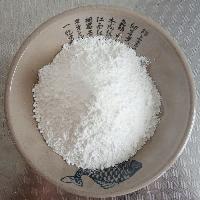
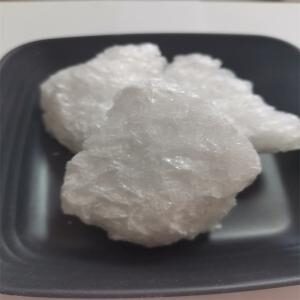
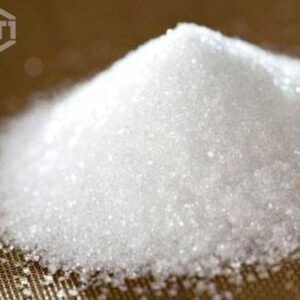
  • Appearance: White solid (powder or crystalline form)
  • Purity: 99%+
  • Boiling Point: 300°C
  • Melting Point: 169°C

Applications:

  • Antiseptic: Boric acid is commonly used as a mild antiseptic for burns or cuts.
  • Insecticide: Used to control pests like ants, cockroaches, and termites.
  • Flame Retardant: Added to materials to make them flame-resistant.
  • Neutron Absorber: Used in nuclear reactors to control the rate of nuclear fission.
  • Chemical Manufacturing: Acts as a precursor in the synthesis of other chemical compounds.
  • Pharmaceutical Intermediates: Widely used in the pharmaceutical industry for various applications.

Specifications:

  • pH (solution S): 3.8 to 4.8
  • Solubility in Alcohol: Easily soluble in alcohol and water
  • Organic Matter: Does not darken on heating
  • Sulphates Content: ≤ 450 ppm
  • Heavy Metals Content: ≤ 15 ppm
  • Packaging: Available in 1 kg foil bags, 25 kg cardboard drums

Boric Acid BP (British Pharmacopoeia) Grade:

  • Identification Tests: Flame test with methanol and sulfuric acid, producing a green flame.
  • Clarity and Appearance of Solution: Clear and colorless solution in distilled water.
  • Heavy Metals Test: Complies with limit test for heavy metals (≤15 ppm).

Ordering Information:

  • MOQ: 1 kg
  • Production Capacity: 10 tons per month
  • Packaging: 1 kg foil bags or 25 kg cardboard drums
  • Storage: Store in a cool, dry place
  • Delivery Time: 5-15 days
  • Port: Any major port in China
  • Shipping: Available by sea or air (DHL/UPS/TNT/FedEx/EMS)

Where to Buy:

Contact suppliers for bulk orders, factory pricing, and detailed product information.


For the best prices and bulk supply options, please reach out to the listed suppliers or manufacturers, ensuring you inquire about certifications like COA (Certificate of Analysis) and MSDS (Material Safety Data Sheet).

$99.68

<span class="ts-tooltip button-tooltip" data-title="Add to compare">Compare</span>

Buy factory Boric Acid/ CAS 10043-35-3 / 11113-50-1/ wholesale

Boric Acid (H₃BO₃): Properties, Applications, Safety, and Regulatory Guidelines

Introduction

                 Boric Acid (H₃BO₃), also known as hydrogen borate, is a versatile inorganic compound widely used in industrial, laboratory, and household applications. Its unique chemical and physical properties make it a valuable material in glass, ceramics, agriculture, and chemical research.

This article provides a comprehensive overview of Boric Acid, covering:

  • Chemical and physical properties
  • Industrial, research, and commercial applications
  • Safety and handling guidelines
  • Regulatory compliance

Informational: Chemical Properties of Boric Acid

  • Chemical Formula: H₃BO₃
  • Molecular Weight: 61.83 g/mol
  • CAS Number: 10043-35-3
  • Appearance: White crystalline powder or granules
  • Solubility: Soluble in water, slightly soluble in alcohol
  • Density: 1.435 g/cm³
  • Melting Point: 170.9 °C (decomposes)

Key Characteristics

  • Weak Acid: Acts as a Lewis acid, reacting with alcohols to form borate esters.
  • Antimicrobial Properties: Naturally inhibits growth of fungi and bacteria, useful in agriculture and preservation.
  • Thermal Stability: Stable at moderate temperatures, decomposes to boron oxide at higher heat.
  • Environmental Presence: Naturally occurring in mineral deposits and borate-rich waters.

Navigational: Industrial and Research Applications

  1. Glass and Ceramics Industry:
    • Boric Acid is a key component in borosilicate glass and ceramic glazes.
    • Improves thermal resistance, durability, and chemical stability.
  2. Agriculture:
    • Used as a micronutrient fertilizer for boron-deficient soils.
    • Promotes plant growth, flowering, and fruit development.
  3. Laboratory and Research Applications:
    • Serves as a buffering agent in chemical and biological studies.
    • Used in the preparation of borate reagents and analytical experiments.
  4. Industrial and Household Uses:
    • Flame retardant in polymers and textiles.
    • Preservative in wood treatment and cosmetics.
    • Mild antiseptic in certain medical and cleaning products.

Commercial and Industrial Applications

  • Glass Manufacturing: Enhances strength and thermal shock resistance.
  • Ceramics and Enamels: Provides smooth, durable, and chemically resistant coatings.
  • Fertilizer and Soil Amendment: Corrects boron deficiency in crops.
  • Flame Retardants and Polymers: Incorporated to reduce flammability.
  • Analytical Chemistry: Acts as a reagent or buffer in laboratory studies.

Industrial applications require high-purity grades and compliance with environmental and safety regulations.


Safety and Handling Guidelines

Boric Acid is generally low-toxicity, but safe handling is recommended:

  • Personal Protective Equipment (PPE): Gloves, goggles, lab coat, and dust mask when handling powder.
  • Storage:
    • Store in cool, dry, ventilated areas.
    • Keep away from strong reducing agents and moisture.
  • First Aid Measures:
    • Inhalation: Move to fresh air if dust inhaled; seek medical attention if irritation persists.
    • Skin Contact: Wash thoroughly with soap and water.
    • Eye Contact: Rinse with water immediately.
    • Ingestion: Low toxicity in small amounts; avoid deliberate ingestion.
  • Spill Management: Sweep up powder and dispose of according to local environmental regulations.

Regulatory and Legal Considerations

Boric Acid is widely regulated for industrial, agricultural, and household applications:

  • Agricultural Use: Approved as a micronutrient fertilizer by agencies such as EPA and EFSA.
  • Occupational Safety: OSHA sets permissible exposure limits (PEL) for airborne dust.
  • Environmental Compliance: EPA and local authorities regulate disposal, emissions, and water contamination.
  • Industrial Compliance: ISO and REACH standards ensure safe production and distribution.

Commercial and Transactional Guidance

Purchasing Boric Acid

  1. Purity Grade:
    • Industrial Grade: 95–99% for glass, ceramics, and polymers
    • Laboratory Grade: ≥99% for analytical and research purposes
    • Agricultural Grade: 90–95% for fertilizer applications
  2. Supplier Verification:
    • Purchase from ISO-certified or GMP-compliant suppliers
    • Verify Certificates of Analysis (COA) for purity, moisture content, and particle size
  3. Storage and Logistics:
    • Store in airtight, moisture-resistant containers
    • Bulk shipments require dry, ventilated storage
  4. Pricing and Bulk Orders:
    • Cost-effective for industrial and agricultural applications
    • Laboratory-scale orders focus on high purity and analytical suitability

Analytical and Research Use Case

In laboratory research:

  1. Prepare borate buffers or reagents for chemical experiments.
  2. Use as a source of boron in plant nutrient studies.
  3. Incorporate in materials research for glass, ceramics, or polymer development.

Its stability, solubility, and buffering capacity make it a reliable chemical for industrial and research purposes.


Environmental Considerations

  • Overuse in soil can lead to boron toxicity in plants.
  • Avoid discharge into aquatic environments, as it can affect water chemistry.
  • Follow local disposal regulations for laboratory, agricultural, and industrial waste.

Conclusion

                 Boric Acid (H₃BO₃) is a versatile chemical with applications in glass, ceramics, agriculture, polymers, and laboratory research. Its thermal stability, buffering capacity, and antimicrobial properties make it indispensable for industrial, research, and agricultural use.

By sourcing from certified suppliers, following safety protocols, and adhering to regulatory compliance, Boric Acid can be used safely and effectively in research, industrial, and commercial contexts.

Keywords Included

Bestsellers

Factory supply Copper Sulphate Pentahydrate CAS NO.7758-98-7/ wholesale price

$49.88
(0 Reviews)
CuSO₄·5H₂O, or copper(II) sulfate pentahydrate, is used in agriculture as a fungicide, algaecide, and pesticide; in water treatment to control algae and bacteria; as a veterinary feed supplement to prevent copper deficiency; as an additive in the textile and leather industries; and in mining and metallurgy for electroplating and as a flotation reagent. It also serves as a mordant in dyeing, a root killer, a component in pigments and dyes, and in educational and laboratory experiments for growing crystals and testing for alcohol.

factory supply Di-ammonium Phosphate/ CAS NO. 7783-28-0/ wholesale

$32.49
(0 Reviews)
Factory Supply of Diammonium Phosphate (DAP) / CAS NO. 7783-28-0                                   factory supply Di-ammonium Phosphate/ CAS NO. 7783-28-0/ wholesale: Diammonium Phosphate (DAP), also known as Diammonium Hydrogen Phosphate, has the chemical formula (NH4)2(HPO4)(NH_4)_2(HPO_4)(NH4​)2​(HPO4​). It is a water-soluble ammonium phosphate salt produced by the reaction of ammonia with phosphoric acid. Chemical Properties:
  • CAS Number: 7783-28-0
  • Molecular Formula: H9N2O4PH_9N_2O_4PH9​N2​O4​P
  • Appearance: White or colorless powder
  • Purity: ≥99.9%
  • Melting Point: Decomposes at approximately 70°C (158°F)
  • Dissociation Pressure: Approximately 5 mmHg at 100°C
Physical and Chemical Characteristics:
  • Solubility: Water-soluble
  • Average pH in Solution: 7.5–8
  • Decomposition Products: Ammonia, mono ammonium phosphate, phosphorus oxides, nitrogen oxides
Applications:
  1. Fertilizer:
    • Commonly used as a fertilizer due to its high phosphorus content (typically 46% P₂O₅) and moderate nitrogen content (typically 18% N).
    • It temporarily increases soil pH but becomes more acidic over time due to nitrification.
  2. Fire Retardant:
    • Lowers combustion temperatures, reduces weight loss rates, and increases residue formation.
    • Used in wildfire control and fire retardant products, including some commercial firefighting products and “fire retardant” cigarettes.
  3. Yeast Nutrient:
    • Utilized in winemaking and mead-making to enhance yeast activity.
  4. Industrial Uses:
    • Additive in some cigarette brands as a nicotine enhancer.
    • Used in preventing afterglow in matches, purifying sugar, and as a flux for soldering metals.
    • Controls precipitation of dyes on wool.
Natural Occurrence:
  • Found as the rare mineral phosphammite and in guano deposits.
Safety and Handling:
  • Storage: Store in a dry, cool, and well-sealed container.
  • Transportation: Can be transported via sea, air, or express for sample orders.
Ordering Information:
  • Delivery Time: Within 2 days after payment is received.
  • Packaging: Customized based on customer’s request.
  • Port: Shanghai, China
  • Production Capacity: 1000 Metric Tons/Week
  • Limit: 10 grams for sample orders
Specifications:
  • Compound Purity: ≥99.7%
  • Residue on Ignition: 0.15%
  • Heavy Metals: None detected
  • Valid Period: Two years from the date of manufacture
For inquiries or to place an order, please contact us directly for pricing, availability, and additional documentation such as the Certificate of Analysis (COA).

Buy factory price Glacial Acetic Acid CAS NO. 64-19-7 wholesale

$141.94
(0 Reviews)
Buy factory price Glacial Acetic Acid CAS NO. 64-19-7 wholesale Purchase Glacial Acetic Acid | CAS No. 64-19-7 | Wholesale Prices Buy Glacial Acetic Acid at Factory Prices Buy factory price Glacial Acetic Acid CAS NO. 64-19-7 wholesale, systematically known as ethanoic acid, is a colorless, acidic liquid with the chemical formula CH₃COOH (also written as CH₃CO₂H, C₂H₄O₂, or HC₂H₃O₂). This substance is highly concentrated and differs from vinegar, which contains at least 4% acetic acid by volume, making acetic acid the primary component of vinegar aside from water and trace elements. Characteristics and Uses Glacial acetic acid is the second simplest carboxylic acid, following formic acid, and features a methyl functional group. It plays a critical role as an industrial and chemical reagent. Its primary applications include:
  • Cellulose Acetate Production: Used in the manufacture of photographic film.
  • Polyvinyl Acetate Production: Essential for making wood glue and various synthetic fibers and fabrics.
  • Household Use: Found in descaling agents.
  • Food Industry: Regulated as a food additive (E260), it acts as an acidity regulator and condiment.
  • Biochemistry: The acetyl group, derived from acetic acid, is vital for all forms of life, particularly in carbohydrate and fat metabolism when bound to coenzyme A.
Global Production and Supply The global demand for acetic acid is approximately 6.5 million metric tons annually, with around 1.5 million tons sourced from recycling. The remainder is produced from methanol. Vinegar, primarily composed of dilute acetic acid, is typically produced via fermentation and subsequent ethanol oxidation. Terminology and Properties
  • Trivial Name: Acetic Acid
  • Systematic Name: Ethanoic Acid
  • Melting Point: 16-16.5°C
  • Boiling Point: 117-118°C
  • Refractive Index: 1.3715
  • Flash Point: 40°C
  • Purity: 99.8%
  • Appearance: Colorless Transparent Liquid
  • CAS Number: 64-19-7
  • EINECS Number: 200-580-7
The term “glacial acetic acid” refers to anhydrous acetic acid, which forms ice-like crystals slightly below room temperature (16.6°C or 61.9°F). This name derives from the ice-like appearance of the substance at this temperature. Product Listings and Availability
  • Acetic Acid (Glacial) 100% CAS 64-19-7 – Available from various suppliers
  • Factory Price Glacial Acetic Acid CAS No. 64-19-7 Wholesale – Bulk purchase options
  • China Acetic Acid CAS 64-19-7 Glacial Acetic Acid Price – Competitive pricing
  • Glacial Acetic Acid Industrial CAS 64-19-7 Bulk Price – Factory wholesale rates
  • Global Sources – Industrial grade and wholesale prices
Ordering and Delivery Information
  • Inquiry Response: All inquiries regarding our products or pricing will be answered within 12 hours.
  • Customer Support: Our well-trained and experienced staff are available to address your questions in fluent English.
  • Quality Assurance: All products come with high-quality warranties.
  • Sample Orders: Samples can be delivered within 3 working days. Small orders are processed within 3-5 working days, while mass orders take 7-10 working days.
  • Free Samples: We offer free samples, with customers only needing to cover the freight. The freight cost can be refunded upon placing a formal order.
For more details, to request samples, or to place an order, please contact us directly.

Buy factory price Formaldehyde Solution/ CAS NO. 50-00-0 wholesale

$20.44
(0 Reviews)
Buy factory price Formaldehyde Solution/ CAS NO. 50-00-0 wholesale Buy Formaldehyde Solution (CAS No. 50-00-0) Wholesale | Factory Price Product Overview:
  • Chemical Name: Formaldehyde Solution (also known as Methanal, Formalin)
  • CAS Number: 50-00-0
  • Molecular Formula: CH2O
  • Purity: 99%
  • Concentration: Commonly available as 37% formaldehyde solution stabilized with methanol
  • EINECS Numbers: 200-001-8, 608-494-5
  • Appearance: Clear liquid (aqueous solution)
  • Melting Point: -15°C
  • Boiling Point: 97°C (37% solution), -19.5°C (pure formaldehyde)
  • Density: 1.09 g/ml at 25°C
  • Flash Point: 60°C (133°F)
  • Storage Temperature: 2-8°C (cool and well-ventilated area)
Applications:
  • Chemical Manufacturing: Formaldehyde is a key precursor in the production of industrial resins, including urea-formaldehyde and phenol-formaldehyde resins, commonly used in particle board, plywood, and coatings.
  • Preservative: Commonly used as a preservative in embalming fluids and for storing biological specimens (formalin).
  • Disinfectant: Used as an antiseptic and disinfectant in various industrial and medical settings.
  • Laboratory Use: Formaldehyde is widely used in laboratories for tissue fixation and as a reagent in various chemical reactions.
Product Specifications:
  • Vapor Density: 1.03 (vs air)
  • Vapor Pressure: 52 mm Hg (at 37°C)
  • Refractive Index: 1.377 (n20/D)
  • Water Solubility: Soluble in water
  • Packaging: Typically available in 25 kg bags or liquid drums depending on customer requirements
  • Storage: Store in a cool, well-ventilated place away from heat sources, with a storage temperature of 2-8°C
Safety Information:
  • Hazard Codes: T (Toxic)
  • Risk Statements: R23/24/25, R34, R40, R43, R45, R68 (Inhalation, skin contact, ingestion hazards; risk of cancer)
  • Safety Statements: S36/37, S51, S45, S53 (Use protective clothing, work in well-ventilated areas, avoid exposure)
  • UN Number: 1198 (Hazard Class: 3, Packing Group: III)
  • WGK (Germany): 2 (Water hazard class)
  • RIDADR: UN 1198 3/PG III (Hazardous for transport)
Ordering Information:
  • MOQ: 1 kilogram (or as required)
  • Production Capacity: Large-scale production available (contact for specific quantities)
  • Packaging: Customizable based on client needs (e.g., 25 kg bags, bulk liquid containers)
  • Delivery Time: As per customer request (typically 5-15 days)
  • Port: Any major port in China
  • Shipping: Available by sea or air (DHL/UPS/FedEx)
For more information on pricing, availability, and delivery, contact certified suppliers who provide Formaldehyde solutions at competitive factory prices. Be sure to inquire about product certifications such as COA (Certificate of Analysis) and MSDS (Material Safety Data Sheet) to ensure compliance with safety standards. Buy factory price Formaldehyde Solution Always handle formaldehyde with proper protective equipment and in well-ventilated areas, following all applicable safety regulations.Buy factory price Formaldehyde Solution

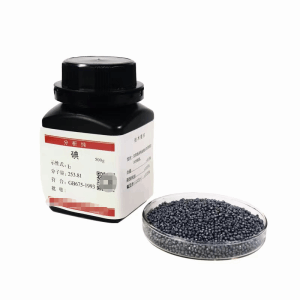
Factory supply 5-Aminotetrazole Iodine /CAS NO. 7553-56-2/ wholesale

$39.60
(0 Reviews)
Quick Details for 5-Aminotetrazole Iodine (CAS NO. 7553-56-2):
  • Classification: Endocrine System Agents
  • CAS Number: 7553-56-2
  • Chemical Name: Iodine
  • Molecular Formula: I2
  • Melting Point: 113°C (lit.)
  • Boiling Point: 184°C (lit.)
  • Refractive Index: 1.788
  • Flash Point: None
  • Purity: 99.5%
  • Usage: Endocrine System Agents
  • EINECS Number: 231-442-4
  • Alias: Iodine
  • Appearance: Black solid
  • Color: Black
  • Molecular Weight: 253.81
Packaging & Delivery:
  • Packaging Details: Available in 50kg drums or as per your request.
  • Delivery Time: Within 7 days after payment confirmation.

Buy factory Potassium Sulphate/ CAS NO. 7778-80-5 /wholesale price

$59.00
(0 Reviews)
Buy Potassium Sulphate (CAS No. 7778-80-5) Online | Wholesale Price Product Overview:
  • Chemical Name: Potassium Sulphate (also known as Sulphate of Potash, SOP, Arcanite)
  • CAS Number: 7778-80-5
  • Molecular Formula: K2SO4
  • Appearance: White crystal powder
  • Purity: 99% minimum
  • Melting Point: 1067°C
  • Boiling Point: 1689°C
  • Density: 1.3 g/cm³
  • Refractive Index: 1.494 - 1.497
  • Flash Point: 1689°C
  • EINECS Number: 231-915-5
Applications:
  • Fertilizer: Widely used in agriculture as a potassium-rich fertilizer, providing both potassium (K) and sulfur (S) for crop growth.
  • Pharmaceutical Intermediate: Utilized in the production of certain medicines.
  • Industrial Uses: Used in the production of glass, synthetic rubber, and as a nutrient in water treatment processes.
  • Food Additive: Used in food processing (FCC grade) as a nutrient source and stabilizer.
Product Specifications:
  • Physicochemical Properties:
    • Boiling Point: 677.7°C at 760 mmHg
    • Molecular Weight: 174.26 g/mol
    • LogP: 6.74360
    • Vapor Pressure: 3.16E-18 mmHg at 25°C
  • Packaging: Available in various packaging options including foil bags, drums, and bulk containers. Custom packaging upon request.
  • Storage: Keep in a cool, dry place to avoid moisture absorption.
Ordering Information:
  • MOQ: 1 kilogram or as required
  • Delivery Time: Typically shipped within 3 days after payment
  • Shipping: Available by sea or air (DHL, UPS, FedEx)
  • Production Capacity: Contact for specific volume requirements
  • Port: Any major port in China
Where to Buy: Potassium sulphate is available through reliable suppliers and manufacturers offering factory-direct pricing. Contact suppliers for bulk orders, factory prices, and detailed product information. Safety and Handling:
  • Storage Conditions: Store in a cool, dry place. Avoid exposure to moisture and incompatible materials.
  • Safety: Potassium sulphate is generally safe to handle, but protective equipment such as gloves and eye protection is recommended for industrial use.
For pricing, bulk inquiries, and more details, please contact certified suppliers who provide COA (Certificate of Analysis) and MSDS (Material Safety Data Sheet) for quality assurance.

Buy Zinc Cyanide/ CAS NO. 557-21-1 /factory supply

$282.10
(0 Reviews)
Product Specifications:
  • Linear Formula: Zn(CN)2
  • CAS Number: 557-21-1
  • Molecular Weight: 117.42 g/mol
Popular Suppliers and Products:
  • Zinc Cyanide, 98% – Sigma-Aldrich
  • Zinc Cyanide, 98%, Thermo Scientific
  • Zinc Cyanide, 98%, Alfa Aesar
  • Zinc Cyanide – PubChem
  • Zinc Cyanide Plating Solutions (Classic Reprint by William Blum)
 

Back to Top
Product has been added to your cart

Select at least 2 products
to compare