
Potassium Hydroxide Powder: Properties, Industrial Applications, and Safe Handling
Introduction
Potassium Hydroxide (KOH) — commonly known as caustic potash — is a strong alkaline inorganic compound used across numerous industrial, laboratory, and research sectors.
Its high reactivity and excellent solubility make it vital in chemical synthesis, biodiesel production, soap and detergent manufacturing, pH regulation, and battery technology.
This guide explores Potassium Hydroxide powder’s chemical identity, physical characteristics, manufacturing use, and safe handling, while highlighting quality, regulatory, and supply considerations for legitimate buyers.
Informational: Chemical Identity and Core Properties
Chemical Overview
| Parameter | Specification |
|---|---|
| Chemical Name | Potassium Hydroxide |
| Common Name | Caustic Potash |
| Molecular Formula | KOH |
| Molecular Weight | 56.11 g/mol |
| CAS Number | 1310-58-3 |
| EC Number | 215-181-3 |
| IUPAC Name | Potassium Hydroxide |
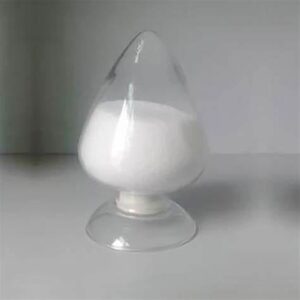
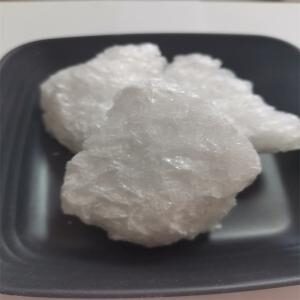
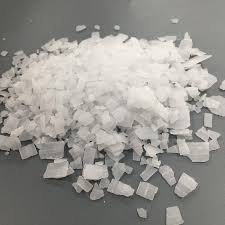
| Appearance | White hygroscopic pellets, flakes, or powder |
| Odor | Odorless |
| Melting Point | 360 °C |
| Boiling Point | 1,320 °C (decomposes) |
| Solubility | Highly soluble in water and ethanol; exothermic reaction with water |
| pH (1% solution) | ~13–14 |
| Storage Conditions | Tightly sealed, cool, dry place; avoid contact with CO₂ and moisture |
| Documentation | COA, SDS, REACH registration (for EU supply) |
Potassium Hydroxide is a strong base that ionizes completely in water to produce hydroxide ions (OH⁻), making it an essential reagent for neutralization and saponification reactions.
Navigational: Scientific and Industrial Applications
1. Chemical Manufacturing and Synthesis
KOH powder is a cornerstone reagent in many industrial reactions:
- Production of potassium salts such as potassium carbonate, phosphate, and permanganate.
- Use as a pH adjuster and neutralizing agent in chemical processing.
- Catalyst for transesterification reactions in biodiesel production.
2. Soap and Detergent Production
Potassium Hydroxide reacts with fatty acids to create soft or liquid soaps. Its high alkalinity ensures:
- Efficient saponification of oils and fats.
- Production of biodegradable, high-quality cleansing products.
- Application in cosmetic-grade formulations under GMP standards.
3. Battery and Energy Applications
KOH serves as an electrolyte in alkaline batteries and fuel cells, valued for:
- High ionic conductivity.
- Chemical stability under oxidative and reductive environments.
- Long operational life and performance consistency.
4. Agriculture and Environmental Management
In controlled formulations, KOH contributes to:
- Soil pH adjustment and nutrient balancing in fertilizers.
- CO₂ absorption in gas purification systems.
- Wastewater neutralization in environmental protection industries.
5. Research and Laboratory Use
In analytical chemistry and materials science, Potassium Hydroxide powder is used to:
- Prepare strongly basic solutions for titration and digestion.
- Clean laboratory glassware and remove organic residues.
- Support nanomaterial synthesis and polymer modification research.
Commercial: Quality Standards and Supply Chain Integrity
1. Available Grades of KOH Powder
| Grade | Purity Range | Intended Use |
|---|---|---|
| Analytical Reagent (AR) | ≥99.5% | Laboratory and analytical testing |
| Industrial Grade | 85–98% | Manufacturing and process chemistry |
| Pharmaceutical Grade | ≥99% | Controlled synthesis under GMP |
| Battery Grade | ≥99.9% | Alkaline electrolyte formulations |
2. Quality Assurance Parameters
- Produced under ISO 9001 and GMP-compliant facilities.
- Tested via titrimetric or spectroscopic methods for assay and impurities.
- Must be free of heavy metals and insoluble residues.
3. Packaging and Transport
- Supplied in HDPE drums, fiber containers, or lined bags (typically 25 kg).
- Sealed with moisture-barrier liners to prevent clumping.
- Classified as UN 1813 (Class 8, Corrosive Material) under transport regulations.
Transactional: Regulatory Compliance and Safe Procurement
Potassium Hydroxide is not a controlled substance, but due to its corrosive classification, its handling, storage, and shipment are governed by chemical safety and environmental protection laws.
Regulatory Overview
| Region | Authority | Key Regulations |
|---|---|---|
| United States | OSHA / EPA | Hazard Communication Standard; Clean Water Act compliance |
| European Union | REACH / CLP | Registration, labeling, and packaging for hazardous chemicals |
| Canada | WHMIS | Classified as corrosive material |
| Australia | Safe Work Australia | Hazardous Chemical (Corrosive Category 1A) |
| Asia-Pacific | Local ministries of environment | Import/export and workplace safety documentation required |
Legal Procurement Pathways
Legitimate buyers — including laboratories, manufacturers, and distributors — should:
- Source only from verified chemical suppliers with compliance certifications.
- Request COA, SDS, and REACH documentation before purchase.
- Ensure storage and transportation meet UN/IMDG/IATA guidelines.
- Train personnel in chemical safety handling and spill response.
Safety and Handling Considerations
Due to its highly caustic and exothermic nature, Potassium Hydroxide powder requires careful handling to prevent chemical burns or environmental contamination.
| Safety Parameter | Precaution |
|---|---|
| PPE Requirements | Chemical-resistant gloves, goggles, lab coat, face shield |
| Inhalation Risk | Avoid dust generation; use in ventilated area |
| Skin/Eye Contact | Immediate rinse with plenty of water; seek medical attention |
| Storage | Airtight, dry containers; separate from acids and oxidizers |
| Disposal | Neutralize with dilute acid; follow hazardous waste protocols |
Market and Industry Outlook
The global Potassium Hydroxide market is projected to grow steadily due to demand from:
- Renewable fuel and biodiesel industries,
- Soap and detergent manufacturing,
- Battery and semiconductor production, and
- Water treatment applications.
Sustainable sourcing and environmentally responsible neutralization processes are key factors driving new innovations in KOH production.
Suppliers adhering to ISO, REACH, and environmental compliance standards are increasingly preferred in international procurement frameworks.
Conclusion
Potassium Hydroxide powder remains an indispensable alkaline reagent in industrial chemistry and laboratory research. Its versatility spans from soap manufacturing and fuel cell design to agriculture and environmental treatment.
When handled responsibly and sourced from certified suppliers, KOH offers exceptional performance with predictable quality.
Compliance with safety, labeling, and regulatory standards ensures both operational efficiency and environmental responsibility in its application.
Potassium Hydroxide powder Keywords
potassium hydroxide powder • caustic potash • KOH chemical properties • potassium hydroxide industrial use • biodiesel catalyst • laboratory reagent KOH • caustic potash supplier • potassium hydroxide safety data • alkaline chemical manufacturing • REACH-compliant potassium hydroxide
Properties and Structure:
- Structure: Crystallizes in the NaCl crystal structure at higher temperatures. The OH− groups are ordered at room temperature, affecting the environment around K+ centers.
- Solubility: Highly soluble in water (121 g/100 mL at room temperature). Also dissolves in lower molecular-weight alcohols like methanol and ethanol.
- Hygroscopic Nature: Absorbs moisture from the air, which affects its handling.
Applications:
- Industrial: Used in the production of soaps, detergents, and various potassium-containing chemicals.
- Laboratory: Serves as a desiccant and in reactions with alcohols to form potassium alkoxides.
- Chemical Synthesis: Acts as a strong base in various chemical processes.
Reactions:
- Potassium hydroxide reacts exothermically with water and is used in various acid-base reactions.
- It also reacts with alcohol to form potassium alkoxides, such as potassium methoxide.
Supplier Information:
- Packaging: Available in various sizes according to customer requirements.
- Delivery Time: Typically within 7 days after payment.
- Production Capacity: Around 500 kilograms per week.
Purchase Information:
- Where to Buy: Available from chemical suppliers, online marketplaces, and specialized chemical providers.
- Price: Prices vary based on quantity and purity. Contact suppliers for specific quotes.
Safety and Handling:
- Corrosive: Potassium hydroxide is a strong caustic agent and should be handled with appropriate safety measures, including protective gloves and eye protection.
- Storage: Due to its hygroscopic nature, store it in a sealed container to prevent moisture absorption.
For specific inquiries or to place an order, contacting suppliers directly or consulting with a chemical procurement specialist is recommended.