Propanoyl Chloride (Pharmaceutical Grade): Properties, Applications, and Legal Access
Introduction
Propanoyl Chloride (CAS No. 79-03-8) is a reactive acyl chloride widely used in pharmaceutical, chemical, and industrial research. It functions as an acylation agent in organic synthesis and is a key intermediate in the production of medicinal compounds, specialty chemicals, and agrochemicals.
China is a leading global supplier of high-purity pharmaceutical-grade Propanoyl Chloride, providing research and industrial institutions with reliable access to this critical reagent.
This article explores chemical properties, applications, handling, and legal procurement pathways, ensuring compliance with international chemical safety standards.
Informational: Chemical Identity and Properties
| Parameter | Specification |
|---|---|
| Chemical Name | Propanoyl Chloride |
| Synonyms | Propionyl Chloride; Propanoyl Chloride Pharmaceutical Grade |
| CAS Number | 79-03-8 |
| Molecular Formula | C3H5ClO |
| Molecular Weight | 78.53 g/mol |
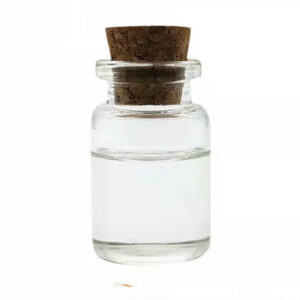
| Appearance | Colorless to pale yellow liquid |
| Odor | Pungent, irritating |
| Density | 1.09 g/cm³ at 25 °C |
| Boiling Point | 97–98 °C |
| Melting Point | −29 °C |
| Solubility | Reacts violently with water; soluble in organic solvents (ether, chloroform) |
| Purity | ≥ 99% (pharmaceutical grade) |
| Storage | Cool, dry, and inert atmosphere; avoid moisture |
| Documentation | Certificate of Analysis (COA), Safety Data Sheet (SDS) |
Properties Summary:
Propanoyl Chloride is highly reactive with water and alcohols, forming propanoic acid and HCl. This reactivity makes it essential in acylation reactions, where it introduces propionyl groups into various organic molecules.
Navigational: Industrial and Research Applications
1. Pharmaceutical Synthesis
- Used as an acylation agent in the production of active pharmaceutical ingredients (APIs).
- Critical for esterification and amide formation, enabling synthesis of analgesics, anti-inflammatory drugs, and intermediate compounds.
- Supports medicinal chemistry research exploring new therapeutic analogs.
2. Organic Chemistry Research
- Acts as a reagent in laboratory acylation reactions.
- Used for the preparation of esters, amides, and ketones.
- Serves as a model compound for mechanistic studies of acyl chlorides.
3. Industrial Applications
- Manufacturing of dyes, fragrances, and agrochemical intermediates.
- Production of specialty polymers requiring acylation steps.
- Used in fine chemical research and pilot-scale synthesis studies.
4. Educational and Analytical Use
- Common in university organic labs for demonstration of nucleophilic acyl substitution.
- Serves as a reference reagent in analytical chemistry for method validation.
Commercial: Product Quality and Supplier Selection
1. Available Grades
| Grade | Purity | Intended Use |
|---|---|---|
| Pharmaceutical Grade | ≥ 99% | API synthesis and medicinal chemistry research |
| Industrial Grade | 95–98% | Chemical manufacturing and intermediate production |
| Laboratory Grade | ≥ 98% | Academic research and demonstration |
2. Packaging and Handling
- Supplied in airtight, moisture-proof containers (typically 1 L, 5 L, 25 L).
- Nitrogen-flushed bottles to prevent hydrolysis and degradation.
- Accompanied by COA, SDS, and hazard documentation.
3. Quality Assurance
- Analytical verification using GC, HPLC, and NMR to confirm purity.
- Traceability for each batch ensures compliance with international regulatory standards.
- Suppliers typically provide ISO-certified production facilities and documentation.
Transactional: Legal Procurement and Compliance
Propanoyl Chloride is not a controlled substance but is classified as a corrosive and reactive chemical under GHS/OSHA regulations. Legal purchase requires attention to safety, storage, and transport regulations.
Regulatory Overview
| Region | Regulatory Authority | Classification / Requirement |
|---|---|---|
| United States | OSHA, EPA | Hazardous chemical; follow GHS labeling and storage |
| European Union | REACH / CLP | Must comply with chemical registration and labeling |
| United Kingdom | HSE | Corrosive; safe handling protocols required |
| China | Ministry of Emergency Management | Production and export regulated; documentation required |
| Asia-Pacific | Local Ministries | Safety, labeling, and MSDS required |
Legal Procurement Guidelines
- Purchase only from accredited suppliers offering pharmaceutical-grade or laboratory-grade Propanoyl Chloride.
- Request COA and SDS for every batch.
- Ensure proper storage — moisture-free, inert atmosphere, temperature-controlled.
- Train personnel in chemical handling and spill-response procedures.
- Maintain documentation for regulatory compliance and auditing purposes.
Safety and Handling Propanoyl Chloride
Due to its highly reactive and corrosive nature, strict laboratory precautions are required:
| Hazard | Precaution |
|---|---|
| Corrosive | Wear gloves, goggles, lab coat, and face shield |
| Reactivity with Water | Use in dry, inert atmosphere (nitrogen or argon) |
| Inhalation | Use in well-ventilated fume hood |
| Spill Response | Neutralize with sodium bicarbonate or appropriate agent; ventilate area |
| Storage | Keep tightly sealed in moisture-proof containers |
Market and Industry Outlook
China has emerged as a global leader in supplying high-purity Propanoyl Chloride, catering to:
- Pharmaceutical API synthesis
- Specialty chemical manufacturing
- Laboratory research and teaching
The demand is expected to grow due to:
- Expansion in medicinal chemistry research
- Growth in organic intermediate production
- Increased interest in GMP-certified chemical supply chains
Conclusion Propanoyl Chloride
Propanoyl Chloride is an essential acylation reagent with wide-ranging applications in pharmaceutical synthesis, chemical research, and industrial manufacturing.
By sourcing pharmaceutical-grade Propanoyl Chloride from certified suppliers in China, laboratories and industries can ensure purity, stability, and regulatory compliance, while safely handling and utilizing this reactive compound.
Proper storage, handling, and documentation are essential to maintain safety and legal compliance, making Propanoyl Chloride a reliable tool for modern organic and medicinal chemistry research.
Propanoyl Chloride Keywords
propanoyl chloride China • pharmaceutical grade propanoyl chloride • propionyl chloride reagent • acylation agent for pharmaceuticals • chemical intermediate propanoyl chloride • lab-grade propanoyl chloride • propanoyl chloride CAS 79-03-8 • organic synthesis reagent • GMP chemical supplier China • pharmaceutical research propionyl chloride
Synonyms:
- Propionyl Chloride for Synthesis
- Propanoyl Chloride
- Propionic Acid Chloride
- Propionyl Chloride, 98.5%
Applications:
- Acylating Agent: Used to convert anisole to 4-methoxypropiophenone and 2-methoxynaphthalene to 1-propio-2-methoxynaphthalene with the help of Indium(III) chloride (InCl₃) impregnated mesoporous Si-MCM-41 catalyst.
- Chlorination Reactions: Can chlorinate in the presence of sulfuryl chloride and peroxides to produce α-chloropropionyl chloride and β-chloropropionyl chloride.
- Ester Formation: Reacts with (hydroxypropyl)cellulose to form the propanoate ester, [(propionyloxy)propyl]cellulose.
Packaging Options:
- 25 g, 500 g in glass bottles
- 2.5 kg containers
Where to Buy:
- Thermo Scientific: Propionyl Chloride, 98%
- ECHEMI: High-quality Propionyl Chloride, factory price
- Research Chemical Suppliers: Propionyl Chloride CAS 79-03-8
Notes:
- Ensure to purchase from reputable suppliers to guarantee the quality of the product.
- Check local regulations regarding the purchase of chemicals online.
Contact Information:
For inquiries, quotes, or to place an order, contact us. We provide competitive pricing and reliable delivery for Propionyl Chloride.