Research Chemicals For Sale | Buy Research Chemicals Online

Search

Need help? sales@lilcentglobalmedicalpharmacy.com

In Stock

Buy wholesale Potassium Hydroxide powder CAS NO. 1310-58-3

Buy Potassium Hydroxide Powder (CAS 1310-58-3) Wholesale

Potassium Hydroxide Overview:

  • Name: Potassium Hydroxide
  • CAS Number: 1310-58-3
  • Molecular Formula: KOH
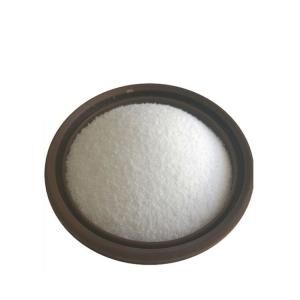
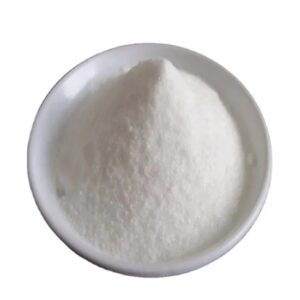
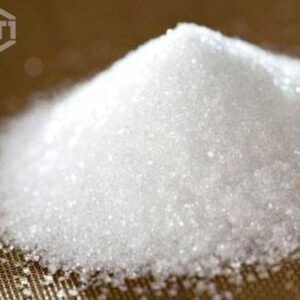
  • Appearance: White crystal powder
  • Purity: Typically 98% or higher
  • Storage: Store in a dry, dark, and ventilated place
  • Transportation: Can be shipped by air or sea

$49.12

<span class="ts-tooltip button-tooltip" data-title="Add to compare">Compare</span>

Potassium Hydroxide Powder: Properties, Industrial Applications, and Safe Handling

Introduction

                Potassium Hydroxide (KOH) — commonly known as caustic potash — is a strong alkaline inorganic compound used across numerous industrial, laboratory, and research sectors.
Its high reactivity and excellent solubility make it vital in chemical synthesis, biodiesel production, soap and detergent manufacturing, pH regulation, and battery technology.

This guide explores Potassium Hydroxide powder’s chemical identity, physical characteristics, manufacturing use, and safe handling, while highlighting quality, regulatory, and supply considerations for legitimate buyers.


Informational: Chemical Identity and Core Properties

Chemical Overview

Parameter Specification
Chemical Name Potassium Hydroxide
Common Name Caustic Potash
Molecular Formula KOH
Molecular Weight 56.11 g/mol
CAS Number 1310-58-3
EC Number 215-181-3
IUPAC Name Potassium Hydroxide
Appearance White hygroscopic pellets, flakes, or powder
Odor Odorless
Melting Point 360 °C
Boiling Point 1,320 °C (decomposes)
Solubility Highly soluble in water and ethanol; exothermic reaction with water
pH (1% solution) ~13–14
Storage Conditions Tightly sealed, cool, dry place; avoid contact with CO₂ and moisture
Documentation COA, SDS, REACH registration (for EU supply)

Potassium Hydroxide is a strong base that ionizes completely in water to produce hydroxide ions (OH⁻), making it an essential reagent for neutralization and saponification reactions.


Navigational: Scientific and Industrial Applications

1. Chemical Manufacturing and Synthesis

KOH powder is a cornerstone reagent in many industrial reactions:

  • Production of potassium salts such as potassium carbonate, phosphate, and permanganate.
  • Use as a pH adjuster and neutralizing agent in chemical processing.
  • Catalyst for transesterification reactions in biodiesel production.

2. Soap and Detergent Production

Potassium Hydroxide reacts with fatty acids to create soft or liquid soaps. Its high alkalinity ensures:

  • Efficient saponification of oils and fats.
  • Production of biodegradable, high-quality cleansing products.
  • Application in cosmetic-grade formulations under GMP standards.

3. Battery and Energy Applications

KOH serves as an electrolyte in alkaline batteries and fuel cells, valued for:

  • High ionic conductivity.
  • Chemical stability under oxidative and reductive environments.
  • Long operational life and performance consistency.

4. Agriculture and Environmental Management

In controlled formulations, KOH contributes to:

  • Soil pH adjustment and nutrient balancing in fertilizers.
  • CO₂ absorption in gas purification systems.
  • Wastewater neutralization in environmental protection industries.

5. Research and Laboratory Use

In analytical chemistry and materials science, Potassium Hydroxide powder is used to:

  • Prepare strongly basic solutions for titration and digestion.
  • Clean laboratory glassware and remove organic residues.
  • Support nanomaterial synthesis and polymer modification research.

Commercial: Quality Standards and Supply Chain Integrity

1. Available Grades of KOH Powder

Grade Purity Range Intended Use
Analytical Reagent (AR) ≥99.5% Laboratory and analytical testing
Industrial Grade 85–98% Manufacturing and process chemistry
Pharmaceutical Grade ≥99% Controlled synthesis under GMP
Battery Grade ≥99.9% Alkaline electrolyte formulations

2. Quality Assurance Parameters

  • Produced under ISO 9001 and GMP-compliant facilities.
  • Tested via titrimetric or spectroscopic methods for assay and impurities.
  • Must be free of heavy metals and insoluble residues.

3. Packaging and Transport

  • Supplied in HDPE drums, fiber containers, or lined bags (typically 25 kg).
  • Sealed with moisture-barrier liners to prevent clumping.
  • Classified as UN 1813 (Class 8, Corrosive Material) under transport regulations.

Transactional: Regulatory Compliance and Safe Procurement

Potassium Hydroxide is not a controlled substance, but due to its corrosive classification, its handling, storage, and shipment are governed by chemical safety and environmental protection laws.

Regulatory Overview

Region Authority Key Regulations
United States OSHA / EPA Hazard Communication Standard; Clean Water Act compliance
European Union REACH / CLP Registration, labeling, and packaging for hazardous chemicals
Canada WHMIS Classified as corrosive material
Australia Safe Work Australia Hazardous Chemical (Corrosive Category 1A)
Asia-Pacific Local ministries of environment Import/export and workplace safety documentation required

Legal Procurement Pathways

Legitimate buyers — including laboratories, manufacturers, and distributors — should:

  1. Source only from verified chemical suppliers with compliance certifications.
  2. Request COA, SDS, and REACH documentation before purchase.
  3. Ensure storage and transportation meet UN/IMDG/IATA guidelines.
  4. Train personnel in chemical safety handling and spill response.

Safety and Handling Considerations

Due to its highly caustic and exothermic nature, Potassium Hydroxide powder requires careful handling to prevent chemical burns or environmental contamination.

Safety Parameter Precaution
PPE Requirements Chemical-resistant gloves, goggles, lab coat, face shield
Inhalation Risk Avoid dust generation; use in ventilated area
Skin/Eye Contact Immediate rinse with plenty of water; seek medical attention
Storage Airtight, dry containers; separate from acids and oxidizers
Disposal Neutralize with dilute acid; follow hazardous waste protocols

Market and Industry Outlook

The global Potassium Hydroxide market is projected to grow steadily due to demand from:

  • Renewable fuel and biodiesel industries,
  • Soap and detergent manufacturing,
  • Battery and semiconductor production, and
  • Water treatment applications.

Sustainable sourcing and environmentally responsible neutralization processes are key factors driving new innovations in KOH production.
Suppliers adhering to ISO, REACH, and environmental compliance standards are increasingly preferred in international procurement frameworks.


Conclusion

           Potassium Hydroxide powder remains an indispensable alkaline reagent in industrial chemistry and laboratory research. Its versatility spans from soap manufacturing and fuel cell design to agriculture and environmental treatment.

When handled responsibly and sourced from certified suppliers, KOH offers exceptional performance with predictable quality.
Compliance with safety, labeling, and regulatory standards ensures both operational efficiency and environmental responsibility in its application.


Potassium Hydroxide powder Keywords

potassium hydroxide powdercaustic potashKOH chemical propertiespotassium hydroxide industrial usebiodiesel catalystlaboratory reagent KOHcaustic potash supplierpotassium hydroxide safety data alkaline chemical manufacturingREACH-compliant potassium hydroxide


Properties and Structure:

  • Structure: Crystallizes in the NaCl crystal structure at higher temperatures. The OH− groups are ordered at room temperature, affecting the environment around K+ centers.
  • Solubility: Highly soluble in water (121 g/100 mL at room temperature). Also dissolves in lower molecular-weight alcohols like methanol and ethanol.
  • Hygroscopic Nature: Absorbs moisture from the air, which affects its handling.

Applications:

  • Industrial: Used in the production of soaps, detergents, and various potassium-containing chemicals.
  • Laboratory: Serves as a desiccant and in reactions with alcohols to form potassium alkoxides.
  • Chemical Synthesis: Acts as a strong base in various chemical processes.

Reactions:

  • Potassium hydroxide reacts exothermically with water and is used in various acid-base reactions.
  • It also reacts with alcohol to form potassium alkoxides, such as potassium methoxide.

Supplier Information:

  • Packaging: Available in various sizes according to customer requirements.
  • Delivery Time: Typically within 7 days after payment.
  • Production Capacity: Around 500 kilograms per week.

Purchase Information:

  • Where to Buy: Available from chemical suppliers, online marketplaces, and specialized chemical providers.
  • Price: Prices vary based on quantity and purity. Contact suppliers for specific quotes.

Safety and Handling:

  • Corrosive: Potassium hydroxide is a strong caustic agent and should be handled with appropriate safety measures, including protective gloves and eye protection.
  • Storage: Due to its hygroscopic nature, store it in a sealed container to prevent moisture absorption.

For specific inquiries or to place an order, contacting suppliers directly or consulting with a chemical procurement specialist is recommended.

Bestsellers

Factory supply Copper Sulphate Pentahydrate CAS NO.7758-98-7/ wholesale price

$49.88
(0 Reviews)
CuSO₄·5H₂O, or copper(II) sulfate pentahydrate, is used in agriculture as a fungicide, algaecide, and pesticide; in water treatment to control algae and bacteria; as a veterinary feed supplement to prevent copper deficiency; as an additive in the textile and leather industries; and in mining and metallurgy for electroplating and as a flotation reagent. It also serves as a mordant in dyeing, a root killer, a component in pigments and dyes, and in educational and laboratory experiments for growing crystals and testing for alcohol.

Buy wholesale Sodium Sulfide CAS NO 1313-82-2 factory price

$226.00
(0 Reviews)
Buy Wholesale Sodium Sulfide (CAS NO 1313-82-2) - Factory Price Product Overview:
  • Name: Sodium Sulfide
  • CAS Number: 1313-82-2
  • Molecular Formula: Na₂S
  • Appearance: Colorless solid (anhydrous) or yellowish flakes (technical grade)
  • Purity: 99% minimum
  • Water Content: Typically hydrated as Na₂S·9H₂O or Na₂S·xH₂O with around 60% Na₂S by weight for technical grades.
  • Solubility: Water-soluble, forming strongly alkaline solutions.
  • Emission: Emits hydrogen sulfide (H₂S) when exposed to moist air.

Buy factory Calcium Formate/ CAS NO. 544-71-2/ wholesale supply

$62.65
(0 Reviews)
Buy factory Calcium Formate/ CAS NO. 544-71-2/ wholesale supply Buy Calcium Formate (CAS No. 544-71-2) Online Product Overview:
  • Chemical Name: Calcium Formate
  • CAS Number: 544-71-2
  • Molecular Formula: C2H2CaO4
  • Molecular Weight: 130.113
  • Appearance: White crystal powder
  • Purity: 98%
  • Density: 2.02 g/cm³
  • Boiling Point: 100.6°C at 760 mmHg
  • Melting Point: 300°C (lit.)
  • Flash Point: 29.9°C
  • EINECS No.: 208-863-7
  • HS Code: 2915120000
Uses and Applications:
  • Animal Feed Preservative: Calcium formate is used in animal feed within the EU to prevent microbial growth and extend shelf life. It lowers feed pH, making it less conducive to bacteria and fungi.
  • Leather Tanning: Acts as a masking agent in chrome tanning, promoting faster and more efficient leather penetration.
  • Construction: Used as a grout and cement additive to improve hardness, reduce setting time, and prevent efflorescence.
  • Deicing: Effective when combined with urea, it causes less corrosion compared to other deicers.
  • Environmental: Used in wet flue gas desulfurization (WFGS) to remove sulfur oxides from exhaust gases, aiding in pollution control.
Production and Sources:
  • Production Methods: Calcium formate is produced as a co-product during trimethylolpropane production or can be synthesized from calcium hydroxide and carbon monoxide or calcium chloride and formic acid.
  • Origin: Mainly produced in China.
Packaging and Shipping:
  • Packaging: Usually supplied in 25 kg bags.
  • Storage: Store in a cool, dry place.
  • Shipping: Available worldwide; shipping methods and costs vary by location.
Certifications:
  • Certificates Available: COA (Certificate of Analysis), MSDS (Material Safety Data Sheet), TDS (Technical Data Sheet)
Ordering Information:
  • Minimum Order Quantity: Typically 1 Metric Ton
  • Production Capacity: Available upon request
  • Delivery Time: Prompt delivery after payment
Safety and Compliance:
  • Legality: Check local regulations for use in specific applications.
  • Safety: Ensure compliance with safety guidelines for handling and storage.
For specific pricing, bulk orders, and further details, please contact suppliers or manufacturers directly.

Buy wholesale Potassium Hydroxide powder CAS NO. 1310-58-3

$49.12
(0 Reviews)
Buy Potassium Hydroxide Powder (CAS 1310-58-3) Wholesale Potassium Hydroxide Overview:
  • Name: Potassium Hydroxide
  • CAS Number: 1310-58-3
  • Molecular Formula: KOH
  • Appearance: White crystal powder
  • Purity: Typically 98% or higher
  • Storage: Store in a dry, dark, and ventilated place
  • Transportation: Can be shipped by air or sea

Buy factory Boron trioxide/ CAS 1303-86-2/ wholesale supply

$45.98
(0 Reviews)
Buy factory Boron trioxide/ CAS 1303-86-2/ wholesale supply Buy Boron Trioxide (B2O3) Powder Online Product Overview:
  • Chemical Name: Boron Trioxide (Diboron Trioxide)
  • CAS Number: 1303-86-2
  • Molecular Formula: B2O3
  • Appearance: White powder
  • Purity: 99.9%
  • Water Content: ≤0.01%
  • Ash Content: 10 ppm
  • Impurity: 10 ppm
  • Packaging: Typically available in 25 kg bags
  • Storage: Keep in a cool, well-ventilated area
Description: Boron trioxide is an oxide of boron that appears as a white, glassy solid. It is primarily found in its vitreous (amorphous) form, but can be crystallized under prolonged heating. It is known for its use as a flux in the decomposition of various materials and is utilized in a range of industrial applications. Applications:
  • Industrial Uses: Acts as a flux in metallurgy and ceramics, and in the production of borosilicate glass.
  • Scientific Research: Used in various analytical and experimental processes due to its unique chemical properties.
Ordering Information:
  • Minimum Order Quantity: 1 Metric Ton
  • Production Capacity: 5000 Metric Tons/Year
  • Delivery Time: Prompt delivery after payment
  • Shipping Options: Available upon request; transportation methods can be tailored to your needs
Technical Specifications:
  • Appearance: White powder
  • Melting Point: 450°C (approximate)
  • Boiling Point: Sublimates at high temperatures
  • Formulation: Available as a neat solid powder
Legality and Compliance: Ensure that the use of boron trioxide complies with local regulations and safety guidelines for industrial and research purposes. Contact Suppliers: For the best prices and specific details regarding bulk orders, contact reputable suppliers or manufacturers. Confirm payment terms, and shipping policies, and ensure that the supplier meets all relevant safety and quality standards.

Buy wholesale Hydrochloric Acid (muriatic acid) CAS NO. 7647-01-0 factory price

$89.20
(0 Reviews)
Buy Wholesale Hydrochloric Acid CAS No. 7647-01-0 at Factory Prices Basic Information
  • Name: Hydrochloric Acid
  • Synonyms: Anhydrous Hydrogen Chloride, Spirits of Salt, Muriatic Acid, Chlorohydric Acid
  • CAS No.: 7647-01-0
  • EINECS No.: 231-595-7
  • Hazard Class: 8 (Packing Group: II)
  • UN No.: 1789
  • Purity: 30%-36%
Specifications
  • Total Acid Content (HCl):
    • Industry Grade: 31%
    • Food Grade: 32%
    • Reagent Grade: 31% - 36%
  • Iron (Fe):
    • Industry Grade: 0.008%
    • Food Grade: 0.002%
    • Reagent Grade: 0.001% - 0.00005%
  • Ignition Residue:
    • Industry Grade: 0.10%
    • Food Grade: 0.05%
    • Reagent Grade: 0.00009%
  • Free Chlorine (Cl):
    • Industry Grade: 0.008%
    • Food Grade: 0.004%
    • Reagent Grade: 0.0001%
  • Arsenic (As):
    • Industry Grade: 0.0001%
    • Food Grade: 0.0001%
    • Reagent Grade: 0.000005%
  • Sulfate (SO4²⁻):
    • Industry Grade: 0.03%
    • Food Grade: 0.005%
    • Reagent Grade: 0.0002%
Packaging and Delivery
  • IBC Drum:
    • No.: 20
    • Net Weight per Drum: 1100 KG
    • Net Weight per 20’ FCL: 22 MT
  • 30L Drum:
    • No.: 720
    • Net Weight per Drum: 30 KG
    • Net Weight per 20’ FCL: 21.6 MT
  • 220L Drum:
    • No.: 80
    • Net Weight per Drum: 220 KG
    • Net Weight per 20’ FCL: 17.6 MT
Product Highlights
  1. High Production Capacity: Annual capacity of 500,000 tons, with 60% allocated for export.
  2. Quality Control: Strict adherence to ISO standards and rigorous quality checks to ensure product integrity.
  3. Competitive Pricing: Factory-direct pricing with options for bulk purchase discounts.
  4. Efficient Delivery: Fast shipping with options for various packaging sizes to suit different needs.
Key Suppliers and Sources:
  • Made-in-China.com: Provides bulk hydrochloric acid with different purities and packaging options.
  • Lilcent Global Medical Pharmacy: Available from various suppliers, including chemical shops and industrial chemical distributors.
  • Hydrochloric Acid Suppliers in the USA: For local purchases, consider checking with domestic suppliers and distributors for competitive rates.
Order Hydrochloric Acid (CAS 7647-01-0) Now for your industrial, laboratory, or manufacturing needs. Available in large quantities with factory prices and efficient delivery options.

Buy factory Boric Acid/ CAS 10043-35-3 / 11113-50-1/ wholesale

$99.68
(0 Reviews)
Buy Boric Acid (CAS 10043-35-3 / CAS 11113-50-1) Wholesale | Factory Supply Product Overview:
  • Chemical Name: Boric Acid (also known as Hydrogen Borate, Boracic Acid, Orthoboric Acid)
  • CAS Numbers: 10043-35-3, 11113-50-1
  • Molecular Formula: H3BO3
  • Molecular Weight: 61.83 g/mol
  • Appearance: White solid (powder or crystalline form)
  • Purity: 99%+
  • Boiling Point: 300°C
  • Melting Point: 169°C
Applications:
  • Antiseptic: Boric acid is commonly used as a mild antiseptic for burns or cuts.
  • Insecticide: Used to control pests like ants, cockroaches, and termites.
  • Flame Retardant: Added to materials to make them flame-resistant.
  • Neutron Absorber: Used in nuclear reactors to control the rate of nuclear fission.
  • Chemical Manufacturing: Acts as a precursor in the synthesis of other chemical compounds.
  • Pharmaceutical Intermediates: Widely used in the pharmaceutical industry for various applications.
Specifications:
  • pH (solution S): 3.8 to 4.8
  • Solubility in Alcohol: Easily soluble in alcohol and water
  • Organic Matter: Does not darken on heating
  • Sulphates Content: ≤ 450 ppm
  • Heavy Metals Content: ≤ 15 ppm
  • Packaging: Available in 1 kg foil bags, 25 kg cardboard drums
Boric Acid BP (British Pharmacopoeia) Grade:
  • Identification Tests: Flame test with methanol and sulfuric acid, producing a green flame.
  • Clarity and Appearance of Solution: Clear and colorless solution in distilled water.
  • Heavy Metals Test: Complies with limit test for heavy metals (≤15 ppm).
Ordering Information:
  • MOQ: 1 kg
  • Production Capacity: 10 tons per month
  • Packaging: 1 kg foil bags or 25 kg cardboard drums
  • Storage: Store in a cool, dry place
  • Delivery Time: 5-15 days
  • Port: Any major port in China
  • Shipping: Available by sea or air (DHL/UPS/TNT/FedEx/EMS)
Where to Buy: Contact suppliers for bulk orders, factory pricing, and detailed product information. For the best prices and bulk supply options, please reach out to the listed suppliers or manufacturers, ensuring you inquire about certifications like COA (Certificate of Analysis) and MSDS (Material Safety Data Sheet).

Back to Top
Product has been added to your cart

Select at least 2 products
to compare