Porcine Glucagon Acetate: Structure, Research Applications, and Pharmaceutical Standards
Introduction
Porcine Glucagon Acetate is a peptide hormone analog derived from porcine (pig) pancreatic tissue or produced synthetically via recombinant technology.
It plays a critical role in glucose metabolism, diabetes research, and pharmaceutical formulation studies.
In modern laboratories and biotech facilities, Porcine Glucagon Acetate is widely used as a reference standard, a bioactive reagent, and a therapeutic research compound.
This article explores its chemical identity, biological function, laboratory relevance, and procurement standards, offering full transparency for research institutions and regulated buyers.
Informational: Chemical Identity and Structure
| Parameter | Specification |
|---|---|
| Chemical Name | Glucagon (Porcine), Acetate Salt |
| Synonyms | Porcine Glucagon Acetate; Glucagon (Pig Pancreas) |
| CAS Number | 16941-32-5 |
| Molecular Formula | C153H225N43O49S |
| Molecular Weight | ≈ 3483.9 g/mol |
| Peptide Sequence | HSQGTFTSDYSKYLDSRRAQDFVQWLMNT |
| Purity (HPLC) | ≥ 98% |
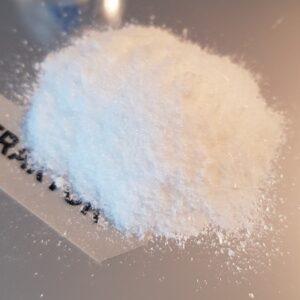
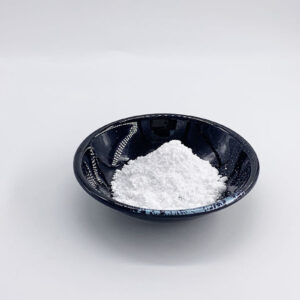
| Appearance | White to off-white lyophilized powder |
| Solubility | Soluble in water and dilute acetic acid |
| Form | Acetate salt form (enhanced stability) |
| Storage | –20 °C, desiccated, protected from light |
| Source | Synthetic or porcine-extracted (depending on supplier) |
| Documentation | Certificate of Analysis (COA), Safety Data Sheet (SDS) |
Porcine Glucagon is nearly identical to human glucagon in its amino acid sequence, differing slightly at certain residues — which historically made it valuable for endocrinological studies before recombinant human glucagon became widespread.
Biological and Research Function
Glucagon is a 29-amino acid peptide hormone secreted by the alpha cells of the pancreas.
It acts as a counter-regulatory hormone to insulin, promoting glycogen breakdown (glycogenolysis) and glucose synthesis (gluconeogenesis) in the liver.
Mechanism of Action
- Binding: Glucagon binds to the glucagon receptor (a G-protein coupled receptor) on hepatocytes.
- Signal Cascade: This activates adenylate cyclase, increasing cyclic AMP (cAMP) levels.
- Result: Elevated cAMP triggers enzymes that convert glycogen to glucose, releasing it into the bloodstream.
Porcine Glucagon Acetate retains this bioactivity, making it suitable for:
- In vitro biochemical assays
- Pharmacological receptor studies
- Metabolic and endocrine research
- Reference standard in peptide validation
Navigational: Scientific and Industrial Applications
1. Pharmaceutical Research and Development
Porcine Glucagon Acetate is used in:
- Development of anti-hypoglycemic drugs.
- Comparative studies with human recombinant glucagon.
- Evaluation of peptide stability, formulation, and delivery systems.
2. Metabolic Disease Research
- Fundamental in type 1 and type 2 diabetes models.
- Used in studying glucose homeostasis and hepatic enzyme regulation.
- Supports the design of biosimilar glucagon analogs.
3. Clinical Diagnostics
- Used as a reference standard in glucagon stimulation tests.
- Helps assess pancreatic alpha-cell function and growth hormone deficiency.
4. Peptide Science and Analytical Chemistry
- Serves as a model for peptide folding, purification, and sequencing techniques.
- Frequently used in HPLC, LC-MS, and immunoassay calibrations.
Commercial: Quality Control and Specifications
1. Available Grades
| Grade | Purity | Intended Use |
|---|---|---|
| Analytical Grade | ≥ 98% (HPLC) | Laboratory reference and QC testing |
| Research Grade | ≥ 95% | Preclinical or biochemical assays |
| GMP Grade | ≥ 99% | Pharmaceutical formulation or regulatory submissions |
2. Packaging Options
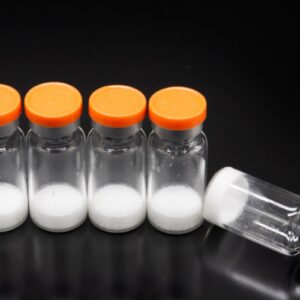
- 1 mg, 5 mg, and 10 mg lyophilized vials.
- Nitrogen-flushed, sealed containers to prevent oxidation.
- Accompanied by batch-specific COA and SDS documentation.
3. Quality Assurance
Suppliers providing Porcine Glucagon Acetate must demonstrate:
- GMP or ISO 9001 certification.
- Analytical testing for purity, identity, and endotoxin levels.
- Stability data confirming peptide integrity across storage conditions.
Transactional: Legal Supply and Procurement Compliance
Porcine Glucagon Acetate is regulated as a research and diagnostic compound, not for human use unless produced under pharmaceutical-grade conditions and approved by relevant authorities (e.g., FDA, EMA).
Regulatory Overview
| Region | Regulatory Body | Key Requirement |
|---|---|---|
| United States | FDA / DEA | Listed as a prescription peptide under research exemption (21 CFR) |
| EU | EMA / REACH | Must comply with Good Manufacturing Practice and REACH registration |
| UK | MHRA | Import and storage under research license |
| Asia-Pacific | Varies by country | Requires documentation of peptide source and purity |
Safe and Compliant Procurement
When sourcing Porcine Glucagon Acetate:
- Purchase only from accredited suppliers specializing in peptide synthesis or biological standards.
- Verify batch traceability, COA, and analytical data.
- Maintain import/export documentation under applicable biopeptide regulations.
- Store in controlled environments to preserve peptide stability.
Handling and Safety Considerations
| Hazard Classification | Not classified as hazardous under GHS; handle as a bioactive peptide |
|---|---|
| Personal Protective Equipment (PPE) | Gloves, lab coat, protective eyewear |
| Storage | –20 °C, sealed, away from moisture |
| Disposal | Follow institutional peptide waste protocols; avoid environmental release |
| First Aid | In case of contact, rinse thoroughly; not for ingestion or injection in humans |
Proper training in peptide handling and adherence to biosafety level 1 standards is essential for all research personnel.
Market and Industry Outlook
The global peptide hormone market — including glucagon and its analogs — is expanding rapidly due to:
- Rising incidence of metabolic and endocrine disorders.
- Advances in synthetic peptide manufacturing.
- Growing interest in biosimilar hormones for therapeutic innovation.
Porcine Glucagon Acetate remains a benchmark compound in glucagon-related R&D, offering structural and biological comparability at a lower research cost compared to recombinant human glucagon.
Conclusion
Porcine Glucagon Acetate serves as an essential biochemical tool bridging traditional endocrine research and modern peptide therapeutics.
With high purity, stable acetate formulation, and reproducible bioactivity, it continues to support pharmaceutical discovery, clinical assay calibration, and metabolic studies worldwide.
Sourcing this compound from certified peptide manufacturers ensures compliance, consistency, and research-grade quality suitable for cutting-edge biomedical applications.
Porcine /Glucagon Acetate Keywords
porcine glucagon acetate • glucagon peptide hormone • acetate salt glucagon • pancreatic hormone research • peptide standard glucagon • glucagon acetate supplier • metabolic peptide research • peptide hormone assay • GMP peptide manufacturing • glucagon R&D applications
Uses
- Medical:
- Treats low blood sugar (hypoglycemia).
- Used for beta-blocker and calcium channel blocker overdose.
- Assists in cases of anaphylaxis not responding to epinephrine.
- Research:
- Studies on glucose metabolism and hormone function.
Properties
- Refractive Index: 1.682
- Packaging:
- Typically available in 1 kg foil bags, 25 kg drums, or customized packaging options.
- Delivery: Shipped within 3 days after payment.
Purchase Information
- Factory Price: Available upon inquiry. Contact suppliers for specific pricing.
- Online Suppliers:
- Look for reputable suppliers on platforms like Lookchem, R&D Systems, or other specialized chemical providers.
- Verify that the supplier provides high-purity products and adheres to relevant safety and regulatory standards.
Where to Buy
- China: Various suppliers offer Porcine Glucagon Acetate with options for bulk purchasing and fast delivery.
- ECHEMI: Lists suppliers with competitive prices and detailed product specifications.
Additional Information
- Glucagon vs. GLP-1: Glucagon is different from GLP-1, which is another insulinotropic hormone used in diabetes management.
- Side Effects: Common side effects include vomiting and low blood potassium. Use with caution in patients with pheochromocytoma or insulinoma.
Ordering Tips
- Verify Supplier: Ensure the supplier is reputable and can provide the necessary documentation.
- Specify Requirements: Indicate your needs for purity, quantity, and packaging.
- Check Legality: Ensure compliance with local regulations and laws.
For specific purchase inquiries or further assistance, please reach out to the supplier directly or contact a chemical procurement specialist.