Research Chemicals For Sale | Buy Research Chemicals Online

Search

Need help? WhatsApp: +1(210)-373-8003 // sales@lilcentglobalmedicalpharmacy.com

In Stock

Buy factory price Glacial Acetic Acid CAS NO. 64-19-7 wholesale

Buy factory price Glacial Acetic Acid CAS NO. 64-19-7 wholesale

Purchase Glacial Acetic Acid | CAS No. 64-19-7 | Wholesale Prices

Buy Glacial Acetic Acid at Factory Prices

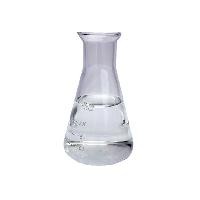
Buy factory price Glacial Acetic Acid CAS NO. 64-19-7 wholesale, systematically known as ethanoic acid, is a colorless, acidic liquid with the chemical formula CH₃COOH (also written as CH₃CO₂H, C₂H₄O₂, or HC₂H₃O₂). This substance is highly concentrated and differs from vinegar, which contains at least 4% acetic acid by volume, making acetic acid the primary component of vinegar aside from water and trace elements.

Characteristics and Uses

Glacial acetic acid is the second simplest carboxylic acid, following formic acid, and features a methyl functional group. It plays a critical role as an industrial and chemical reagent. Its primary applications include:

  • Cellulose Acetate Production: Used in the manufacture of photographic film.
  • Polyvinyl Acetate Production: Essential for making wood glue and various synthetic fibers and fabrics.
  • Household Use: Found in descaling agents.
  • Food Industry: Regulated as a food additive (E260), it acts as an acidity regulator and condiment.
  • Biochemistry: The acetyl group, derived from acetic acid, is vital for all forms of life, particularly in carbohydrate and fat metabolism when bound to coenzyme A.

Global Production and Supply

The global demand for acetic acid is approximately 6.5 million metric tons annually, with around 1.5 million tons sourced from recycling. The remainder is produced from methanol. Vinegar, primarily composed of dilute acetic acid, is typically produced via fermentation and subsequent ethanol oxidation.

Terminology and Properties

  • Trivial Name: Acetic Acid
  • Systematic Name: Ethanoic Acid
  • Melting Point: 16-16.5°C
  • Boiling Point: 117-118°C
  • Refractive Index: 1.3715
  • Flash Point: 40°C
  • Purity: 99.8%
  • Appearance: Colorless Transparent Liquid
  • CAS Number: 64-19-7
  • EINECS Number: 200-580-7

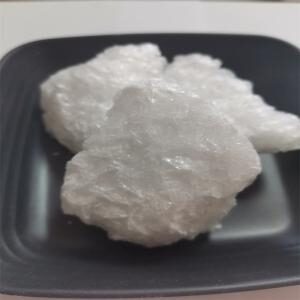
The term “glacial acetic acid” refers to anhydrous acetic acid, which forms ice-like crystals slightly below room temperature (16.6°C or 61.9°F). This name derives from the ice-like appearance of the substance at this temperature.

Product Listings and Availability

  • Acetic Acid (Glacial) 100% CAS 64-19-7 – Available from various suppliers
  • Factory Price Glacial Acetic Acid CAS No. 64-19-7 Wholesale – Bulk purchase options
  • China Acetic Acid CAS 64-19-7 Glacial Acetic Acid Price – Competitive pricing
  • Glacial Acetic Acid Industrial CAS 64-19-7 Bulk Price – Factory wholesale rates
  • Global Sources – Industrial grade and wholesale prices

Ordering and Delivery Information

  • Inquiry Response: All inquiries regarding our products or pricing will be answered within 12 hours.
  • Customer Support: Our well-trained and experienced staff are available to address your questions in fluent English.
  • Quality Assurance: All products come with high-quality warranties.
  • Sample Orders: Samples can be delivered within 3 working days. Small orders are processed within 3-5 working days, while mass orders take 7-10 working days.
  • Free Samples: We offer free samples, with customers only needing to cover the freight. The freight cost can be refunded upon placing a formal order.

For more details, to request samples, or to place an order, please contact us directly.

$141.94

<span class="ts-tooltip button-tooltip" data-title="Add to compare">Compare</span>

Buy factory price Glacial Acetic Acid CAS NO. 64-19-7 wholesale

Introduction

                    Glacial Acetic Acid (GAA), the concentrated form of acetic acid, is a colorless liquid with a pungent vinegar-like odor. It is a versatile chemical widely used in laboratory research, industrial processes, and commercial applications.

This article provides a comprehensive overview of Glacial Acetic Acid, covering:

  • Chemical properties and structure
  • Research and industrial applications
  • Safety and handling guidelines
  • Regulatory compliance

Glacial Acetic Acid: Properties, Applications, Safety, and Regulatory Guidelines


Informational: Chemical Properties of Glacial Acetic Acid

  • Chemical Formula: CH₃COOH
  • Molecular Weight: 60.05 g/mol
  • Appearance: Colorless, clear liquid
  • Boiling Point: 118 °C
  • Density: 1.049 g/cm³
  • CAS Number: 64-19-7
  • Purity: Typically ≥99.5%

Key Characteristics

  • Acidity: Strong organic acid, fully miscible with water and most polar solvents.
  • Hygroscopic: Absorbs moisture from the atmosphere, forming aqueous acetic acid.
  • Reactivity: Reacts with bases, alcohols, and amines; corrosive to metals and tissues.
  • Stability: Stable under normal conditions but should be protected from heat and open flame.

Glacial Acetic Acid is named “glacial” because it solidifies just below room temperature (~16.7 °C), forming ice-like crystals.


Navigational: Laboratory and Research Applications

Glacial Acetic Acid is a critical reagent in laboratories:

  1. Chemical Synthesis:
    • Used to produce acetate esters, anhydrides, and other derivatives.
    • Acts as a solvent in Fischer esterification and other organic reactions.
  2. Buffer Preparation:
    • Key component in acetate buffers for biochemical and molecular biology experiments.
  3. Histology and Microscopy:
    • Used in fixatives and staining solutions to preserve tissue samples.
  4. Analytical Chemistry:
    • Serves as a solvent and reagent in chromatography, titration, and spectroscopy.

Glacial Acetic Acid is essential for controlled laboratory experiments and high-purity analytical procedures.


Commercial and Industrial Applications

Beyond laboratories, Glacial Acetic Acid has numerous industrial uses:

  • Vinyl Acetate Monomer Production: For adhesives, paints, and coatings.
  • Polyester and PET Manufacturing: Key feedstock in polymer industries.
  • Food Industry: As E260 for pickling, flavoring, and preservative applications (diluted form only).
  • Textile Industry: Dyeing and finishing processes.
  • Chemical Manufacturing: Precursor for acetic anhydride, acetates, and other derivatives.

Industrial applications rely on bulk supply and compliance with environmental and safety regulations.


Safety and Handling Guidelines

Glacial Acetic Acid is corrosive and hazardous; strict safety measures are required:

  • Personal Protective Equipment (PPE): Gloves, goggles, acid-resistant lab coat, and fume hood for vapors.
  • Storage:
    • Store in cool, dry, ventilated areas.
    • Use corrosion-resistant containers (glass or specific plastics).
  • First Aid Measures:
    • Inhalation: Move to fresh air; seek medical attention if irritation persists.
    • Skin Contact: Rinse thoroughly with water; remove contaminated clothing.
    • Eye Contact: Flush immediately for 15–20 minutes; consult a physician.
    • Ingestion: Do not induce vomiting; seek medical care immediately.
  • Spill Management:
    • Neutralize with sodium bicarbonate or lime, then collect according to hazardous waste disposal regulations.

Regulatory and Legal Considerations

Glacial Acetic Acid is widely regulated due to its corrosive nature and potential use in chemical synthesis:

  • Occupational Safety and Health Administration (OSHA): Exposure limits and handling protocols.
  • Environmental Protection Agency (EPA): Regulates disposal and environmental release.
  • Transport Regulations: Classified as a corrosive liquid under DOT, IATA, and IMDG regulations.
  • Food and Pharmaceutical Compliance: Diluted acetic acid must meet food-grade or USP standards for legal use.

Laboratories and industrial facilities must adhere to MSDS requirements, labeling, and safe storage protocols.


Commercial and Transactional Guidance

Purchasing Glacial Acetic Acid

  1. Purity Grade:
    • Laboratory grade: ≥99.5% for research and analytical applications
    • Industrial grade: Typically 99–99.5% for bulk chemical synthesis
  2. Supplier Verification:
    • Purchase from ISO-certified or GMP-compliant suppliers.
    • Check Certificates of Analysis (COA) for purity, water content, and trace metals.
  3. Storage and Logistics:
    • Use acid-resistant containers and secure transport.
    • Follow hazardous material shipping regulations.
  4. Pricing and Bulk Orders:
    • Bulk industrial orders offer cost efficiency but require regulatory approval and safety protocols.

Analytical and Laboratory Use Case

In histology labs, a 3–5% acetic acid solution is commonly used in fixatives or staining protocols:

  1. Dilute glacial acetic acid in water or buffer to desired concentration.
  2. Prepare fixatives for tissue preservation or protein crosslinking.
  3. Handle under a fume hood to avoid inhalation of vapors.

This use underscores its essential role in controlled laboratory procedures.


Environmental Considerations

  • Neutralize spills with alkaline solutions before disposal.
  • Avoid direct discharge into waterways due to acidity and corrosivity.
  • Diluted solutions in food and industrial applications are environmentally safer but still require regulatory oversight.

Conclusion

             Glacial Acetic Acid (GAA) is a versatile chemical with applications in research, industrial, and commercial sectors. Its strong acidity, solvent properties, and reactivity make it indispensable in chemical synthesis, analytical chemistry, and industrial manufacturing.

By sourcing from certified suppliers, adhering to safety protocols, and complying with regulatory requirements, GAA can be used safely and effectively across laboratory, industrial, and commercial contexts.


Keywords Included

  • Glacial Acetic Acid
  • GAA chemical properties
  • Laboratory-grade Glacial Acetic Acid
  • Industrial Glacial Acetic Acid applications
  • Acetic acid safety and handling
  • Analytical chemistry reagent
  • Regulatory compliance Glacial Acetic Acid


Bestsellers

Factory supply Copper Sulphate Pentahydrate CAS NO.7758-98-7/ wholesale price

$49.88
(0 Reviews)
CuSO₄·5H₂O, or copper(II) sulfate pentahydrate, is used in agriculture as a fungicide, algaecide, and pesticide; in water treatment to control algae and bacteria; as a veterinary feed supplement to prevent copper deficiency; as an additive in the textile and leather industries; and in mining and metallurgy for electroplating and as a flotation reagent. It also serves as a mordant in dyeing, a root killer, a component in pigments and dyes, and in educational and laboratory experiments for growing crystals and testing for alcohol.

Buy factory Boric Acid/ CAS 10043-35-3 / 11113-50-1/ wholesale

$99.68
(0 Reviews)
Buy Boric Acid (CAS 10043-35-3 / CAS 11113-50-1) Wholesale | Factory Supply Product Overview:
  • Chemical Name: Boric Acid (also known as Hydrogen Borate, Boracic Acid, Orthoboric Acid)
  • CAS Numbers: 10043-35-3, 11113-50-1
  • Molecular Formula: H3BO3
  • Molecular Weight: 61.83 g/mol
  • Appearance: White solid (powder or crystalline form)
  • Purity: 99%+
  • Boiling Point: 300°C
  • Melting Point: 169°C
Applications:
  • Antiseptic: Boric acid is commonly used as a mild antiseptic for burns or cuts.
  • Insecticide: Used to control pests like ants, cockroaches, and termites.
  • Flame Retardant: Added to materials to make them flame-resistant.
  • Neutron Absorber: Used in nuclear reactors to control the rate of nuclear fission.
  • Chemical Manufacturing: Acts as a precursor in the synthesis of other chemical compounds.
  • Pharmaceutical Intermediates: Widely used in the pharmaceutical industry for various applications.
Specifications:
  • pH (solution S): 3.8 to 4.8
  • Solubility in Alcohol: Easily soluble in alcohol and water
  • Organic Matter: Does not darken on heating
  • Sulphates Content: ≤ 450 ppm
  • Heavy Metals Content: ≤ 15 ppm
  • Packaging: Available in 1 kg foil bags, 25 kg cardboard drums
Boric Acid BP (British Pharmacopoeia) Grade:
  • Identification Tests: Flame test with methanol and sulfuric acid, producing a green flame.
  • Clarity and Appearance of Solution: Clear and colorless solution in distilled water.
  • Heavy Metals Test: Complies with limit test for heavy metals (≤15 ppm).
Ordering Information:
  • MOQ: 1 kg
  • Production Capacity: 10 tons per month
  • Packaging: 1 kg foil bags or 25 kg cardboard drums
  • Storage: Store in a cool, dry place
  • Delivery Time: 5-15 days
  • Port: Any major port in China
  • Shipping: Available by sea or air (DHL/UPS/TNT/FedEx/EMS)
Where to Buy: Contact suppliers for bulk orders, factory pricing, and detailed product information. For the best prices and bulk supply options, please reach out to the listed suppliers or manufacturers, ensuring you inquire about certifications like COA (Certificate of Analysis) and MSDS (Material Safety Data Sheet).

Buy wholesale Caustic Soda CAS NO. 1310-73-2 factory price

$45.00
(0 Reviews)
📦 Packaging Options Caustic Soda is typically packaged in:
  • 25kg Bags: Common for flakes and pearls.
  • Bulk Containers: For large-scale industrial use.
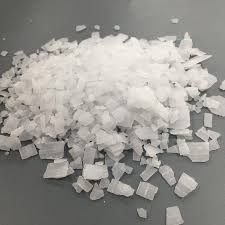
Custom packaging can often be arranged based on order volume and specific requirements. Buy wholesale Caustic Soda CAS NO. 1310-73-2 factory price. Buy Caustic Soda CAS-1310-73-2. Buy wholesale Caustic Soda CAS NO. 1310-73-2 factory price. Sodium hydroxide, also known as lye and caustic soda for sale, is an inorganic compound with the formula NaOH. It is a white solid ionic compound consisting of sodium cations Na+ and hydroxide anions OH−. Sodium hydroxide is a highly caustic base and alkali that decomposes proteins at ordinary ambient temperatures and may cause severe chemical burns. It is highly soluble in water, and readily absorbs moisture and carbon dioxide from the air. It forms a series of hydrates NaOH·nH2O. The monohydrate NaOH·H2O crystallizes from water solutions between 12.3 and 61.8 °C. The commercially available “sodium hydroxide” is often this monohydrate, and published data may refer to it instead of the anhydrous compound. Buy Caustic Soda CAS-1310-73-2 As one of the simplest hydroxides, sodium hydroxide is frequently used alongside neutral water and acidic hydrochloric acid to demonstrate the pH scale to chemistry students. Buy Caustic Soda CAS-1310-73-2 Sodium hydroxide is used in many industries: in the manufacture of pulp and paper, textiles, drinking water, soaps and detergents, and as a drain cleaner. Worldwide production in 2004 was approximately 60 million tons, while demand was 51 million tons. Buy Caustic Soda CAS-1310-73-2 Keywords Buy Caustic Soda CAS-1310-73-2 CAS NO.1310-73-2 sodium hydroxide Caustic soda Quick Details ProName: Soda caustic CasNo: 1310-73-2 Molecular Formula: HNaO Appearance: detailed in specifications Application: It is an important raw material and in… DeliveryTime: 3-5 work daysPackaginge: according tthe client'sts requirement Port: Dalian PoProduction Capacityity: Metric Ton/Day Purity: 98% Storage: Keep it n a dry and cool place Transportation: By air, by sea, or, DHL F ,ED E,X ,EMS etc. LimitNum: 10 Gram Buy Caustic Soda CAS-1310-73-2 Cas 1310 73 2 Price – Sodium Hydroxide/Caustic Soda Flakes CAS No.: 13103-2 , Sodium hydroxide CAS No.1310-73-2 flakes and granules, Buy Sodium Hydroxide 1310-73-2 Chemical Grade … – ECHEMI, Factory Price Naoh 98.5% Flakes Caustic Soda CAS 131-7-2 , Caustic Soda Lye, Sodium Hydroxide (NaOH) – IndiaMART, Caustic Soda, CAS No: 1310-73-2, Hdpe Bags, Rs 45/ , How much does caustic soda cost?, How much is 1kg of caustic soda?, Where can I buy caustic soda?, Why caustic soda priis increasin?, Sodium hydroxide CAS 1310-73-2 | 10646 , Caustic Soda Flakes Pearls Cas 1310 73 2 – go4WorldBusiness caustic soda in ukraine Suppliers – Alibaba.com,

Buy factory Ammonium Hydroxide/ CAS NO. 1336-21-6 wholesale price

$96.46
(0 Reviews)
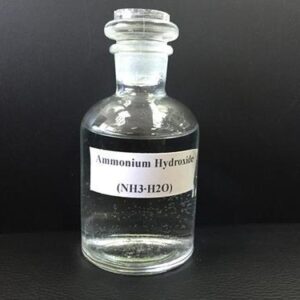
Buy factory Ammonium Hydroxide/ CAS NO. 1336-21-6 wholesale price Buy Ammonium Hydroxide (CAS No. 1336-21-6) Online | Wholesale Supply Product Overview:
  • Chemical Name: Ammonium Hydroxide (also known as Ammonia Solution, Aqua Ammonia, Aqueous Ammonia)
  • CAS Number: 1336-21-6
  • Molecular Formula: H5NO
  • Appearance: Clear liquid
  • Purity: 99%
  • Ammonia Content: Typically available in 25% - 29.4% solutions
  • Storage: Keep in a cool, dry place
  • Density: 0.88 g/ml (for saturated solutions at 15.6°C)
  • Shelf Life: 24 months
  • Packaging: Available in bulk containers (500 ml to 1000 liters) or custom packaging options
Applications of Ammonium Hydroxide (CAS 1336-21-6):
  • Cleaning Agents: A common ingredient in household and industrial cleaning agents.
  • Chemical Research: Used as a reagent in laboratories for various chemical reactions.
  • Industrial Uses: Used in water treatment, manufacturing of fertilizers, rubber, and in the textile industry.
  • Food Industry (E238): Permitted in certain animal feeds in the EU as a preservative.
  • Leather Treatment: Aids in the removal of stains and preparation of leather materials.

Buy factory Sodium Formate/ CAS NO. 141-53-7/ wholesale price

Original price was: $370.00.Current price is: $250.00.
(0 Reviews)
Buy Sodium Formate Powder Online | CAS No. 141-53-7 Purchase Sodium Formate Powder Buy factory Sodium Formate/ CAS NO. 141-53-7/ wholesale price Sodium Formate is a white deliquescent powder, which is the sodium salt of formic acid. It is widely used as a pharmaceutical intermediate and for various other applications. Buy factory Sodium Formate/ CAS NO. 141-53-7/ wholesale pric Sodium Formate Preparation For commercial production, sodium formate is typically produced by:
  • Absorbing carbon monoxide in solid sodium hydroxide at high pressure and temperature: CO+NaOH→HCOONa\text{CO} + \text{NaOH} \rightarrow \text{HCOONa}CO+NaOH→HCOONa
  • Neutralizing formic acid with sodium hydroxide: HCOOH+NaOH→HCOONa+H2O\text{HCOOH} + \text{NaOH} \rightarrow \text{HCOONa} + \text{H}_2\text{O}HCOOH+NaOH→HCOONa+H2​O
In the laboratory, sodium formate can be prepared by:
  • Neutralizing formic acid with sodium carbonate.
  • Reacting chloroform with sodium hydroxide: CHCl3+4NaOH→HCOONa+3NaCl+2H2O\text{CHCl}_3 + 4 \text{NaOH} \rightarrow \text{HCOONa} + 3 \text{NaCl} + 2 \text{H}_2\text{O}CHCl3​+4NaOH→HCOONa+3NaCl+2H2​O
  • Reacting sodium hydroxide with chloral hydrate: C2HCl3(OH)2+NaOH→CHCl3+HCOONa+H2O\text{C}_2\text{HCl}_3(\text{OH})_2 + \text{NaOH} \rightarrow \text{CHCl}_3 + \text{HCOONa} + \text{H}_2\text{O}C2​HCl3​(OH)2​+NaOH→CHCl3​+HCOONa+H2​O
Product Specifications
  • Name: Sodium Formate
  • CAS Number: 141-53-7
  • Molecular Formula: CHNaO₂
  • Appearance: White powder or white granular crystals
  • Purity: 90%-99%
  • Melting Point: 259-262°C
  • Boiling Point: 360°C
  • Flash Point: 29.9°C
  • Density: 1.429 g/cm³
  • Solubility: Soluble in water and glycerol; slightly soluble in ethanol
Uses Sodium Formate is used as:
  • A pharmaceutical intermediate
  • An auxiliary in various chemical processes
  • In leather tanning and as a reagent in organic synthesis
Storage and Handling
  • Storage: Store in a dry, cool place, away from direct sunlight.
  • Packaging: Available in various packaging options based on customer requirements.
Purchase Information
  • Packing: Can be tailored to customer specifications.
  • Port: Shanghai
  • Transportation: By sea, air, or courier.
For more information or to place an order, please contact us directly. We ensure high-quality Sodium Formate with prompt delivery for all your industrial and research needs.Buy factory Sodium Formate/ CAS NO. 141-53-7/ wholesale pric

Factory supply Phenylboronic/ Boronic acid CAS NO. 864759-63-7, CAS NO. 98-80-6

$40.00
(0 Reviews)
Primary Keywords
  • Phenylboronic Acid
  • Boronic Acid
  • Boronic Acid powder
  • Phenylboronic Acid factory supply
  • Bulk Boronic Acid
  • High-purity Boronic Acid
  • Phenylboronic Acid uses in pharmaceuticals
  • Boronic Acid for chemical synthesis
  • Buy Boronic Acid legally for research
  • Boronic Acid for organic chemistry
  • Industrial Boronic Acid supplier
  • Laboratory-grade Boronic Acid
Transactional 
  • Bulk Phenylboronic Acid for sale
  • Factory supply of Boronic Acid
  • Verified Boronic Acid distributors
  • GMP-certified Boronic Acid suppliers
  • Boronic Acid COA guaranteed
Informational 
  • Phenylboronic Acid applications
  • Boronic Acid safety and handling
  • How to store Boronic Acid safely
  • Boronic Acid chemical properties
  • Legal access to Phenylboronic Acid

Buy factory price Paraformaldehyde/ CAS NO. 30525-89-4 wholesale

$30.77
(0 Reviews)
Purchase Paraformaldehyde at Factory Prices | CAS No. 30525-89-4 | Wholesale Buy Paraformaldehyde (PFA) at Factory Prices Buy factory price Paraformaldehyde/ CAS NO. 30525-89-4 wholesale Paraformaldehyde is the smallest polyoxymethylene polymer, consisting of formaldehyde units typically ranging from 8 to 100. It is a white, powdery substance that often has a faint formaldehyde odor due to decomposition. As a polyacetal, paraformaldehyde is used in various industrial and scientific applications. Buy factory price Paraformaldehyde/ CAS NO. 30525-89-4 wholesale. Synthesis of Paraformaldehyde Paraformaldehyde is formed gradually in aqueous formaldehyde solutions, especially when stored in cold conditions. Formalin, a common solution containing formaldehyde, mostly contains short chains of polyformaldehyde rather than monomeric formaldehyde. To control polymerization, a small amount of methanol is typically added as a stabilizer. Buy factory price Paraformaldehyde/ CAS NO. 30525-89-4 wholesale. Reactions and Uses Paraformaldehyde can be depolymerized into formaldehyde gas through dry heating or into a formaldehyde solution using water in the presence of a base, acid, or heat. This high-purity formaldehyde is used in microscopy and histology as a fixative. The gas produced from dry heating paraformaldehyde is flammable.
  • Fumigant, Disinfectant, and Fungicide: The formaldehyde obtained from paraformaldehyde is used for these purposes.
  • Thermoplastic Material: Longer-chain polyoxymethylenes, also known as polyoxymethylene plastics (POM, Delrin), are used in various applications.
  • Crosslinking Agents: Paraformaldehyde is used in techniques like ChIP (chromatin immunoprecipitation) to study protein-DNA interactions. Buy factory price Paraformaldehyde/ CAS NO. 30525-89-4 wholesale.
Paraformaldehyde must be depolymerized into formaldehyde to act as a fixative. In cell culture, a 4% formaldehyde solution in phosphate-buffered saline (PBS) is typically used on ice for 10 minutes. For histology and pathology, a 10% Neutral Buffered Formalin (4% formaldehyde) solution is used for at least 24 hours. Buy factory price Paraformaldehyde/ CAS NO. 30525-89-4 wholesale. Paraformaldehyde can also replace aqueous formaldehyde in producing resinous binding materials, often combined with melamine, phenol, or other reactive agents in the production of particle board, medium-density fiberboard, and plywood. Product Specifications
  • Product Name: Paraformaldehyde
  • CAS No.: 30525-89-4
  • Molecular Formula: C₃H₆O₃
  • Appearance: White Powder
  • Purity: 98%
  • Moisture Content: 0.01%
  • Impurity: 0.01%
  • Storage: Store in a dry, dark, and ventilated place
  • Delivery Time: Within 7 days after payment
  • Packaging: Customizable according to customer requirements
  • Port: Shanghai
  • Production Capacity: 500 Kilograms per week
  • Transportation: By air or sea
Where to Buy Paraformaldehyde
  • ECHEMI: Source for high-quality paraformaldehyde
  • Alibaba: Online marketplace for paraformaldehyde
  • IndiaMART: Suppliers of paraformaldehyde
  • Made-in-China.com: Factory prices and suppliers
Common Questions
  • What is paraformaldehyde used for? It is used as a fumigant, disinfectant, in resin production, and as a fixative in scientific applications.
  • How is paraformaldehyde synthesized? It is formed from aqueous formaldehyde solutions and can be stabilized with methanol.
  • How is paraformaldehyde stored? It should be kept in a dry, dark, and well-ventilated area.
For more information, quotes, or to place an order, please contact us directly. Buy factory price Paraformaldehyde/ CAS NO. 30525-89-4 wholesale.

Back to Top
Product has been added to your cart

Select at least 2 products
to compare