Aleve Pain Medication: Uses, Benefits, Dosage, and Safety Guide
Pain is one of the most common health concerns people face — whether from headaches, menstrual cramps, muscle strains, toothaches, or arthritis. For many adults, especially Millennials balancing work, stress, and lifestyle demands, having a reliable over-the-counter (OTC) pain reliever is essential. One of the most trusted options is Aleve, a medication known for long-lasting relief and anti-inflammatory benefits.
This guide explains what Aleve is, how it works, recommended dosages, common uses, and safety considerations, so you can make informed decisions about your pain management.
What Is Aleve?
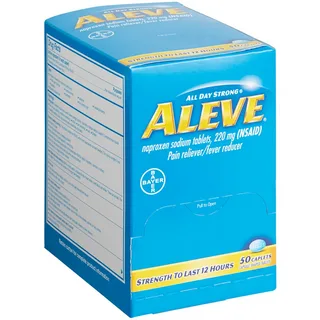
Aleve is a brand name for naproxen sodium, a nonsteroidal anti-inflammatory drug (NSAID). Unlike some short-acting pain relievers, Aleve is designed to provide extended relief—often up to 8–12 hours per dose.
Aleve Is Commonly Used For:
- Headaches and migraines
- Toothaches
- Muscle and back pain
- Menstrual cramps
- Arthritis and joint pain
- Minor injuries or sprains
- Fever reduction
Its long-lasting effect makes it especially useful for inflammation-based pain.
Is Aleve an Anti-Inflammatory?
Yes. Aleve belongs to the anti-inflammatory class of OTC medications. Naproxen reduces substances in the body (prostaglandins) that cause inflammation, swelling, and pain.
This makes Aleve different from medications like acetaminophen (Tylenol), which relieves pain and fever but does not provide anti-inflammatory benefits.
How Aleve Works
Aleve provides relief by:
✔️ Reducing inflammation
✔️ Lowering fever
✔️ Blocking pain signals in the nervous system
Because it targets inflammation, many people find Aleve especially effective for conditions like:
- Arthritis
- Joint pain
- Sports injuries
- Menstrual discomfort
Aleve Dosage Guide
The correct dosage depends on age and product strength.
Typical Adult Dosage (Age 12+)
| Form | Strength | Recommended Use |
|---|---|---|
| Tablet or Caplet | 220 mg | 1 tablet every 8–12 hours |
| Liquid Gel | 220 mg | 1 every 8–12 hours |
| Extended-Release | 440 mg | Once every 12–24 hours |
🔹 Do not exceed 660 mg in 24 hours unless instructed by a healthcare provider.
🔹 Always take with food or a full glass of water to reduce stomach irritation.
Children under 12 should only take naproxen if specifically prescribed by a doctor.
Aleve vs. Other Pain Relievers
| Feature | Aleve | Tylenol (Acetaminophen) | Ibuprofen (Advil) |
|---|---|---|---|
| Anti-inflammatory | ✔️ Yes | ❌ No | ✔️ Yes |
| Typical duration | 8–12 hrs | 4–6 hrs | 4–6 hrs |
| Best for | Arthritis, cramps, injury pain | Headache, fever | General pain, swelling |
Aleve is often preferred when long-lasting relief is needed.
Ingredients in Aleve
The main active ingredient is:
- Naproxen Sodium (220 mg per OTC tablet)
Inactive ingredients may include:
- Cellulose
- Titanium dioxide
- Croscarmellose sodium
- Talc
- Magnesium stearate
These vary slightly depending on the format (tablet, liquid gel, or caplet).
Potential Side Effects of Aleve. Aleve pain medication
As with any medication, Aleve may cause side effects—typically mild, but important to watch.
Common Side Effects
- Upset stomach
- Heartburn
- Dizziness
- Nausea
Less Common but More Serious (Seek medical attention)
- Stomach bleeding
- Allergic reactions (rash, swelling, difficulty breathing)
- High blood pressure
- Kidney or liver issues
- Increased risk of cardiovascular events with long-term use
People with ulcers, heart disease, kidney issues, or those taking blood thinners should talk to a healthcare provider before using Aleve. Aleve pain medication
When Not to Use Aleve
Avoid or ask a doctor before using if:
🚫 You’re pregnant (especially after 20 weeks)
🚫 You have a history of stomach ulcers or GI bleeding
🚫 You are taking other NSAIDs or anticoagulants
🚫 You have aspirin-sensitive asthma
Aleve: Summary and Key Takeaways Aleve pain medication
- Aleve is a long-lasting NSAID pain reliever containing naproxen sodium.
- It is effective for headaches, menstrual cramps, arthritis, muscle pain, and inflammation-based discomfort.
- Most adults take one 220 mg tablet every 8–12 hours, not exceeding three tablets in 24 hours (unless medically directed).
- It is safe when used as directed but may cause stomach irritation or other side effects in some individuals. Aleve pain medication
Aleve pain medication Keywords Included:
✔ Aleve dosage
✔ What is Aleve
✔ Aleve anti-inflammatory
✔ Aleve pain medication
✔ Naproxen sodium tablets
✔ Aleve side effects