Research Chemicals For Sale | Buy Research Chemicals Online

Search

Need help? sales@lilcentglobalmedicalpharmacy.com

In Stock

Buy wholesale Potassium Hydroxide powder CAS NO. 1310-58-3

Buy Potassium Hydroxide Powder (CAS 1310-58-3) Wholesale

Potassium Hydroxide Overview:

  • Name: Potassium Hydroxide
  • CAS Number: 1310-58-3
  • Molecular Formula: KOH
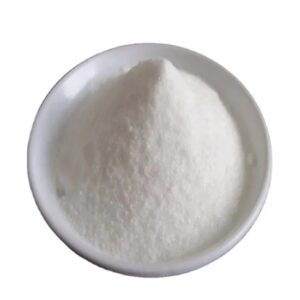
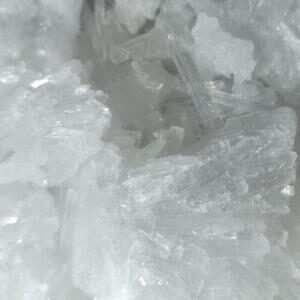
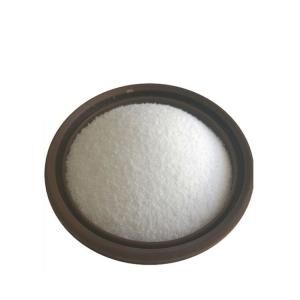
  • Appearance: White crystal powder
  • Purity: Typically 98% or higher
  • Storage: Store in a dry, dark, and ventilated place
  • Transportation: Can be shipped by air or sea

$49.12

<span class="ts-tooltip button-tooltip" data-title="Add to compare">Compare</span>

Potassium Hydroxide Powder: Properties, Industrial Applications, and Safe Handling

Introduction

                Potassium Hydroxide (KOH) — commonly known as caustic potash — is a strong alkaline inorganic compound used across numerous industrial, laboratory, and research sectors.
Its high reactivity and excellent solubility make it vital in chemical synthesis, biodiesel production, soap and detergent manufacturing, pH regulation, and battery technology.

This guide explores Potassium Hydroxide powder’s chemical identity, physical characteristics, manufacturing use, and safe handling, while highlighting quality, regulatory, and supply considerations for legitimate buyers.


Informational: Chemical Identity and Core Properties

Chemical Overview

Parameter Specification
Chemical Name Potassium Hydroxide
Common Name Caustic Potash
Molecular Formula KOH
Molecular Weight 56.11 g/mol
CAS Number 1310-58-3
EC Number 215-181-3
IUPAC Name Potassium Hydroxide
Appearance White hygroscopic pellets, flakes, or powder
Odor Odorless
Melting Point 360 °C
Boiling Point 1,320 °C (decomposes)
Solubility Highly soluble in water and ethanol; exothermic reaction with water
pH (1% solution) ~13–14
Storage Conditions Tightly sealed, cool, dry place; avoid contact with CO₂ and moisture
Documentation COA, SDS, REACH registration (for EU supply)

Potassium Hydroxide is a strong base that ionizes completely in water to produce hydroxide ions (OH⁻), making it an essential reagent for neutralization and saponification reactions.


Navigational: Scientific and Industrial Applications

1. Chemical Manufacturing and Synthesis

KOH powder is a cornerstone reagent in many industrial reactions:

  • Production of potassium salts such as potassium carbonate, phosphate, and permanganate.
  • Use as a pH adjuster and neutralizing agent in chemical processing.
  • Catalyst for transesterification reactions in biodiesel production.

2. Soap and Detergent Production

Potassium Hydroxide reacts with fatty acids to create soft or liquid soaps. Its high alkalinity ensures:

  • Efficient saponification of oils and fats.
  • Production of biodegradable, high-quality cleansing products.
  • Application in cosmetic-grade formulations under GMP standards.

3. Battery and Energy Applications

KOH serves as an electrolyte in alkaline batteries and fuel cells, valued for:

  • High ionic conductivity.
  • Chemical stability under oxidative and reductive environments.
  • Long operational life and performance consistency.

4. Agriculture and Environmental Management

In controlled formulations, KOH contributes to:

  • Soil pH adjustment and nutrient balancing in fertilizers.
  • CO₂ absorption in gas purification systems.
  • Wastewater neutralization in environmental protection industries.

5. Research and Laboratory Use

In analytical chemistry and materials science, Potassium Hydroxide powder is used to:

  • Prepare strongly basic solutions for titration and digestion.
  • Clean laboratory glassware and remove organic residues.
  • Support nanomaterial synthesis and polymer modification research.

Commercial: Quality Standards and Supply Chain Integrity

1. Available Grades of KOH Powder

Grade Purity Range Intended Use
Analytical Reagent (AR) ≥99.5% Laboratory and analytical testing
Industrial Grade 85–98% Manufacturing and process chemistry
Pharmaceutical Grade ≥99% Controlled synthesis under GMP
Battery Grade ≥99.9% Alkaline electrolyte formulations

2. Quality Assurance Parameters

  • Produced under ISO 9001 and GMP-compliant facilities.
  • Tested via titrimetric or spectroscopic methods for assay and impurities.
  • Must be free of heavy metals and insoluble residues.

3. Packaging and Transport

  • Supplied in HDPE drums, fiber containers, or lined bags (typically 25 kg).
  • Sealed with moisture-barrier liners to prevent clumping.
  • Classified as UN 1813 (Class 8, Corrosive Material) under transport regulations.

Transactional: Regulatory Compliance and Safe Procurement

Potassium Hydroxide is not a controlled substance, but due to its corrosive classification, its handling, storage, and shipment are governed by chemical safety and environmental protection laws.

Regulatory Overview

Region Authority Key Regulations
United States OSHA / EPA Hazard Communication Standard; Clean Water Act compliance
European Union REACH / CLP Registration, labeling, and packaging for hazardous chemicals
Canada WHMIS Classified as corrosive material
Australia Safe Work Australia Hazardous Chemical (Corrosive Category 1A)
Asia-Pacific Local ministries of environment Import/export and workplace safety documentation required

Legal Procurement Pathways

Legitimate buyers — including laboratories, manufacturers, and distributors — should:

  1. Source only from verified chemical suppliers with compliance certifications.
  2. Request COA, SDS, and REACH documentation before purchase.
  3. Ensure storage and transportation meet UN/IMDG/IATA guidelines.
  4. Train personnel in chemical safety handling and spill response.

Safety and Handling Considerations

Due to its highly caustic and exothermic nature, Potassium Hydroxide powder requires careful handling to prevent chemical burns or environmental contamination.

Safety Parameter Precaution
PPE Requirements Chemical-resistant gloves, goggles, lab coat, face shield
Inhalation Risk Avoid dust generation; use in ventilated area
Skin/Eye Contact Immediate rinse with plenty of water; seek medical attention
Storage Airtight, dry containers; separate from acids and oxidizers
Disposal Neutralize with dilute acid; follow hazardous waste protocols

Market and Industry Outlook

The global Potassium Hydroxide market is projected to grow steadily due to demand from:

  • Renewable fuel and biodiesel industries,
  • Soap and detergent manufacturing,
  • Battery and semiconductor production, and
  • Water treatment applications.

Sustainable sourcing and environmentally responsible neutralization processes are key factors driving new innovations in KOH production.
Suppliers adhering to ISO, REACH, and environmental compliance standards are increasingly preferred in international procurement frameworks.


Conclusion

           Potassium Hydroxide powder remains an indispensable alkaline reagent in industrial chemistry and laboratory research. Its versatility spans from soap manufacturing and fuel cell design to agriculture and environmental treatment.

When handled responsibly and sourced from certified suppliers, KOH offers exceptional performance with predictable quality.
Compliance with safety, labeling, and regulatory standards ensures both operational efficiency and environmental responsibility in its application.


Potassium Hydroxide powder Keywords

potassium hydroxide powdercaustic potashKOH chemical propertiespotassium hydroxide industrial usebiodiesel catalystlaboratory reagent KOHcaustic potash supplierpotassium hydroxide safety data alkaline chemical manufacturingREACH-compliant potassium hydroxide


Properties and Structure:

  • Structure: Crystallizes in the NaCl crystal structure at higher temperatures. The OH− groups are ordered at room temperature, affecting the environment around K+ centers.
  • Solubility: Highly soluble in water (121 g/100 mL at room temperature). Also dissolves in lower molecular-weight alcohols like methanol and ethanol.
  • Hygroscopic Nature: Absorbs moisture from the air, which affects its handling.

Applications:

  • Industrial: Used in the production of soaps, detergents, and various potassium-containing chemicals.
  • Laboratory: Serves as a desiccant and in reactions with alcohols to form potassium alkoxides.
  • Chemical Synthesis: Acts as a strong base in various chemical processes.

Reactions:

  • Potassium hydroxide reacts exothermically with water and is used in various acid-base reactions.
  • It also reacts with alcohol to form potassium alkoxides, such as potassium methoxide.

Supplier Information:

  • Packaging: Available in various sizes according to customer requirements.
  • Delivery Time: Typically within 7 days after payment.
  • Production Capacity: Around 500 kilograms per week.

Purchase Information:

  • Where to Buy: Available from chemical suppliers, online marketplaces, and specialized chemical providers.
  • Price: Prices vary based on quantity and purity. Contact suppliers for specific quotes.

Safety and Handling:

  • Corrosive: Potassium hydroxide is a strong caustic agent and should be handled with appropriate safety measures, including protective gloves and eye protection.
  • Storage: Due to its hygroscopic nature, store it in a sealed container to prevent moisture absorption.

For specific inquiries or to place an order, contacting suppliers directly or consulting with a chemical procurement specialist is recommended.

Bestsellers

Factory supply Copper Sulphate Pentahydrate CAS NO.7758-98-7/ wholesale price

$49.88
(0 Reviews)
CuSO₄·5H₂O, or copper(II) sulfate pentahydrate, is used in agriculture as a fungicide, algaecide, and pesticide; in water treatment to control algae and bacteria; as a veterinary feed supplement to prevent copper deficiency; as an additive in the textile and leather industries; and in mining and metallurgy for electroplating and as a flotation reagent. It also serves as a mordant in dyeing, a root killer, a component in pigments and dyes, and in educational and laboratory experiments for growing crystals and testing for alcohol.

Factory supply Methanol Methyl Alcohol/ CAS NO. 67-56-1/ wholesale

$43.50
(0 Reviews)
Factory Supply of Methanol (Methyl Alcohol) – CAS Number 67-56-1 – Available for Wholesale Purchase Factory supply Methanol Methyl Alcohol/ CAS NO. 67-56-1/ wholesale our factory supply. Methanol, also recognized as methyl alcohol among other names, is an organic chemical compound and is the simplest form of alcohol. Its chemical formula is CH₃OH, representing a methyl group linked to a hydroxyl group, and it is often abbreviated as MeOH. This compound is a light, volatile, colorless, and highly flammable liquid with a distinctive alcoholic odor, somewhat similar to that of ethanol (potable alcohol). As a polar solvent, methanol was historically known as wood alcohol due to its primary production method via the destructive distillation of wood. In contemporary industrial practices, methanol is predominantly manufactured through the hydrogenation of carbon monoxide. Purchase Methanol (Methyl Alcohol) – CAS Number 67-56-1. Methanol for sale consists of a methyl group bonded to a polar hydroxyl group. With annual production exceeding 20 million tons, methanol serves as a crucial precursor for the synthesis of various commodity chemicals including formaldehyde, acetic acid, methyl tert-butyl ether, methyl benzoate, anisole, and peroxy acids, as well as numerous specialized chemicals. Purchase Methanol (Methyl Alcohol) – CAS Number 67-56-1. Occurrence of Methanol (Methyl Alcohol) – CAS Number 67-56-1 Methanol is naturally present in trace amounts in healthy human individuals. Studies have found an average concentration of 4.5 parts per million (ppm) in the exhaled breath of test subjects. The mean endogenous methanol in humans is approximately 0.45 grams per day, which may be metabolized from pectin found in fruits. For example, one kilogram of apples can produce up to 1.4 grams of pectin, which corresponds to about 0.6 grams of methanol. Methanol is also produced by anaerobic bacteria and phytoplankton. Purchase Methanol (Methyl Alcohol) – CAS Number 67-56-1. Methanol in the Interstellar Medium – CAS Number 67-56-1 Methanol is also detected in significant quantities within star-forming regions of outer space and serves as an astronomical marker for such areas. It is identified through its spectral emission lines. In 2006, astronomers using the MERLIN array of radio telescopes at Jodrell Bank Observatory discovered an expansive cloud of methanol spanning 463 terameters (approximately 288 billion miles). Furthermore, in 2016, the ALMA radio telescope observed methanol within a planet-forming disc surrounding the young star TW Hydrae. Purchase Methanol (Methyl Alcohol) – CAS Number 67-56-1. Safety Considerations for Methanol (Methyl Alcohol) – CAS Number 67-56-1 Methanol is highly flammable, and its vapors are slightly denser than air, which allows it to travel and potentially ignite. Fires involving methanol should be extinguished using dry chemical agents, carbon dioxide, water spray, or alcohol-resistant foam. Methanol, with its chemical formula CH₃OH, is a colorless liquid known for its strong odor. It is a toxic substance that can be absorbed through the eyes, skin, lungs, and digestive system. Overexposure to methanol can be fatal. Workers in various industries may be at risk of methanol exposure, including those in plastic manufacturing plants, transportation workers involved in vehicle deicing, individuals working in alternative fuel sectors, and those handling certain solvents or cleaning agents. The National Institute for Occupational Safety and Health (NIOSH) recommends employing a Hierarchy of Controls to mitigate the risk of injuries. If you work in an industry where methanol is used, it is crucial to read chemical labels and Safety Data Sheets for hazard information. Visit NIOSH’s webpage on Managing Chemical Safety in the Workplace for more information on controlling chemical exposures. Purchase Methanol (Methyl Alcohol) – CAS Number 67-56-1. Additional Information and Resources For information on occupational exposure to methanol, useful search terms include "methanol," "carbinol," "Columbian spirits," "pyroligneous spirits," "wood alcohol," "wood naphtha," and "wood spirits." Quick Details
  • Product Name: Methanol HPLC
  • CAS Number: 67-56-1
  • Molecular Formula: CH₄O
  • Appearance: Liquid
  • Application: Research Chemical
  • Delivery Time: Within 2 days
  • Packaging: Aluminium foil bag or as per customer requirements
  • Port of Shipment: Tianjin, Shanghai
  • Production Capacity: 1000 Kilograms per Week
  • Purity: 98%
  • Storage Requirements: Keep in a cool, dry, and well-ventilated place
  • Transportation: Delivery via international express or by sea/air freight
  • Minimum Order Quantity: 1 Kilogram
  • Moisture Content: <0.1%
  • Impurity: <0.1%
Product Listings
  • Methanol, Methyl Alcohol, CAS Number 67-56-1 – Factory Supply
  • Industrial Methanol CAS Number 67-56-1
  • High Purity 99.9% Methanol/Methyl Alcohol CAS Number 67-56-1 – Wholesale
  • Methanol CAS Number 67-56-1 | 107018
  • Methanol CAS Number 67-56-1 | 106002
  • Methanol | CH₃OH – PubChem
Inquiries For current pricing of methanol, cost details in India, and information on methanol production companies in India, please reach out to relevant suppliers. Methanol is commercially available, and its procurement can be facilitated through various industrial suppliers.

Buy factory price Nitric acid / CAS NO. 7697-37-2 wholesale

$40.00
(0 Reviews)
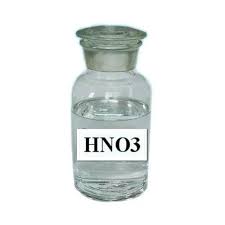
Purchase Nitric Acid | CAS No. 7697-37-2 | Factory Prices Wholesale Buy Nitric Acid at Factory Prices Buy factory price Nitric acid / CAS NO. 7697-37-2 wholesale , with the chemical formula HNO₃, is a highly corrosive mineral acid. It is typically colorless but can appear yellow over time due to decomposition into nitrogen oxides. Most commercially available nitric acid is a 68% solution in water. Solutions with more than 86% HNO₃ are classified as fuming nitric acid, which can be further categorized into red fuming nitric acid (concentrations above 86%) and white fuming nitric acid (concentrations above 95%). Uses and Applications Nitric acid is primarily used for nitration, the process of introducing a nitro group into an organic molecule. This process results in nitro compounds, some of which are sensitive explosives, while others are stable enough for use in munitions, demolition, and as pigments in inks and dyes. Nitric acid is also a potent oxidizing agent utilized in various industrial applications.Buy factory price Nitric acid / CAS NO. 7697-37-2 wholesale Product Specifications
  • Model Number: 68% Nitric Acid
  • Acid Strength: Strong Acid
  • Type: Inorganic Acid
  • Quality: Technical Grade
  • Packaging: Plastic Drum
  • Element: Monobasic Acid
  • Oxidation: Oxidizing Acid
  • Volatility: Volatile Acid
  • Stability: Labile Acid
  • Transport Package:
    • Tank, 1.4mts/IBC Drum
    • 35kg/HDPE Drum
Production and Delivery
  • Origin: China
  • HS Code: 2808000090
  • Production Capacity: 10,000 tons per month
Factory Price for Nitric Acid (68% HNO₃)
  • Purity: ≥67%
  • Appearance: Clear Liquid
  • Specification:
    • Fe (%): ≤0.005 (Result: 0.002)
    • Specific Gravity: ≥1.50 (Result: 1.51)
    • Nitrous Acid Content: ≤0.03 (Result: 0.002)
    • Ignition Residue: ≤0.02 (Result: 0.01)
Packaging Details
  • 35kg Drum: 720 drums per 20' FCL (25.2 tons per 20' FCL)
  • 250kg Drum: 80 drums per 20' FCL (20 tons per 20' FCL)
  • 1.4mts IBC Drum: 18 drums per 20' FCL (25.2 tons per 20' FCL)
  • ISO Tank: 25 tons per 20' FCL
Where to Buy Nitric Acid
  • ECHEMI: Source for wholesale nitric acid
  • Alibaba: Online marketplace for nitric acid
  • Spectrum Chemical: Suppliers and distributors
  • TradeIndia: Liquid nitric acid listings
  • Made-in-China.com: Bulk distributors
Common Questions
  • How much does nitric acid cost? Pricing varies based on quantity and supplier.
  • Is nitric acid commercially available? Yes, it is widely available.
  • Where can we purchase nitric acid? Available from various online suppliers and industrial chemical distributors.
  • What is 2% nitric acid? This refers to a diluted form of nitric acid used for specific applications.
For more information, to request a quote, or to place an order, please contact us directly.Buy factory price Nitric acid / CAS NO. 7697-37-2 wholesale

factory supply Di-ammonium Phosphate/ CAS NO. 7783-28-0/ wholesale

$32.49
(0 Reviews)
Factory Supply of Diammonium Phosphate (DAP) / CAS NO. 7783-28-0                                   factory supply Di-ammonium Phosphate/ CAS NO. 7783-28-0/ wholesale: Diammonium Phosphate (DAP), also known as Diammonium Hydrogen Phosphate, has the chemical formula (NH4)2(HPO4)(NH_4)_2(HPO_4)(NH4​)2​(HPO4​). It is a water-soluble ammonium phosphate salt produced by the reaction of ammonia with phosphoric acid. Chemical Properties:
  • CAS Number: 7783-28-0
  • Molecular Formula: H9N2O4PH_9N_2O_4PH9​N2​O4​P
  • Appearance: White or colorless powder
  • Purity: ≥99.9%
  • Melting Point: Decomposes at approximately 70°C (158°F)
  • Dissociation Pressure: Approximately 5 mmHg at 100°C
Physical and Chemical Characteristics:
  • Solubility: Water-soluble
  • Average pH in Solution: 7.5–8
  • Decomposition Products: Ammonia, mono ammonium phosphate, phosphorus oxides, nitrogen oxides
Applications:
  1. Fertilizer:
    • Commonly used as a fertilizer due to its high phosphorus content (typically 46% P₂O₅) and moderate nitrogen content (typically 18% N).
    • It temporarily increases soil pH but becomes more acidic over time due to nitrification.
  2. Fire Retardant:
    • Lowers combustion temperatures, reduces weight loss rates, and increases residue formation.
    • Used in wildfire control and fire retardant products, including some commercial firefighting products and “fire retardant” cigarettes.
  3. Yeast Nutrient:
    • Utilized in winemaking and mead-making to enhance yeast activity.
  4. Industrial Uses:
    • Additive in some cigarette brands as a nicotine enhancer.
    • Used in preventing afterglow in matches, purifying sugar, and as a flux for soldering metals.
    • Controls precipitation of dyes on wool.
Natural Occurrence:
  • Found as the rare mineral phosphammite and in guano deposits.
Safety and Handling:
  • Storage: Store in a dry, cool, and well-sealed container.
  • Transportation: Can be transported via sea, air, or express for sample orders.
Ordering Information:
  • Delivery Time: Within 2 days after payment is received.
  • Packaging: Customized based on customer’s request.
  • Port: Shanghai, China
  • Production Capacity: 1000 Metric Tons/Week
  • Limit: 10 grams for sample orders
Specifications:
  • Compound Purity: ≥99.7%
  • Residue on Ignition: 0.15%
  • Heavy Metals: None detected
  • Valid Period: Two years from the date of manufacture
For inquiries or to place an order, please contact us directly for pricing, availability, and additional documentation such as the Certificate of Analysis (COA).

Buy factory price Glacial Acetic Acid CAS NO. 64-19-7 wholesale

$141.94
(0 Reviews)
Buy factory price Glacial Acetic Acid CAS NO. 64-19-7 wholesale Purchase Glacial Acetic Acid | CAS No. 64-19-7 | Wholesale Prices Buy Glacial Acetic Acid at Factory Prices Buy factory price Glacial Acetic Acid CAS NO. 64-19-7 wholesale, systematically known as ethanoic acid, is a colorless, acidic liquid with the chemical formula CH₃COOH (also written as CH₃CO₂H, C₂H₄O₂, or HC₂H₃O₂). This substance is highly concentrated and differs from vinegar, which contains at least 4% acetic acid by volume, making acetic acid the primary component of vinegar aside from water and trace elements. Characteristics and Uses Glacial acetic acid is the second simplest carboxylic acid, following formic acid, and features a methyl functional group. It plays a critical role as an industrial and chemical reagent. Its primary applications include:
  • Cellulose Acetate Production: Used in the manufacture of photographic film.
  • Polyvinyl Acetate Production: Essential for making wood glue and various synthetic fibers and fabrics.
  • Household Use: Found in descaling agents.
  • Food Industry: Regulated as a food additive (E260), it acts as an acidity regulator and condiment.
  • Biochemistry: The acetyl group, derived from acetic acid, is vital for all forms of life, particularly in carbohydrate and fat metabolism when bound to coenzyme A.
Global Production and Supply The global demand for acetic acid is approximately 6.5 million metric tons annually, with around 1.5 million tons sourced from recycling. The remainder is produced from methanol. Vinegar, primarily composed of dilute acetic acid, is typically produced via fermentation and subsequent ethanol oxidation. Terminology and Properties
  • Trivial Name: Acetic Acid
  • Systematic Name: Ethanoic Acid
  • Melting Point: 16-16.5°C
  • Boiling Point: 117-118°C
  • Refractive Index: 1.3715
  • Flash Point: 40°C
  • Purity: 99.8%
  • Appearance: Colorless Transparent Liquid
  • CAS Number: 64-19-7
  • EINECS Number: 200-580-7
The term “glacial acetic acid” refers to anhydrous acetic acid, which forms ice-like crystals slightly below room temperature (16.6°C or 61.9°F). This name derives from the ice-like appearance of the substance at this temperature. Product Listings and Availability
  • Acetic Acid (Glacial) 100% CAS 64-19-7 – Available from various suppliers
  • Factory Price Glacial Acetic Acid CAS No. 64-19-7 Wholesale – Bulk purchase options
  • China Acetic Acid CAS 64-19-7 Glacial Acetic Acid Price – Competitive pricing
  • Glacial Acetic Acid Industrial CAS 64-19-7 Bulk Price – Factory wholesale rates
  • Global Sources – Industrial grade and wholesale prices
Ordering and Delivery Information
  • Inquiry Response: All inquiries regarding our products or pricing will be answered within 12 hours.
  • Customer Support: Our well-trained and experienced staff are available to address your questions in fluent English.
  • Quality Assurance: All products come with high-quality warranties.
  • Sample Orders: Samples can be delivered within 3 working days. Small orders are processed within 3-5 working days, while mass orders take 7-10 working days.
  • Free Samples: We offer free samples, with customers only needing to cover the freight. The freight cost can be refunded upon placing a formal order.
For more details, to request samples, or to place an order, please contact us directly.

Buy factory price Formaldehyde Solution/ CAS NO. 50-00-0 wholesale

$20.44
(0 Reviews)
Buy factory price Formaldehyde Solution/ CAS NO. 50-00-0 wholesale Buy Formaldehyde Solution (CAS No. 50-00-0) Wholesale | Factory Price Product Overview:
  • Chemical Name: Formaldehyde Solution (also known as Methanal, Formalin)
  • CAS Number: 50-00-0
  • Molecular Formula: CH2O
  • Purity: 99%
  • Concentration: Commonly available as 37% formaldehyde solution stabilized with methanol
  • EINECS Numbers: 200-001-8, 608-494-5
  • Appearance: Clear liquid (aqueous solution)
  • Melting Point: -15°C
  • Boiling Point: 97°C (37% solution), -19.5°C (pure formaldehyde)
  • Density: 1.09 g/ml at 25°C
  • Flash Point: 60°C (133°F)
  • Storage Temperature: 2-8°C (cool and well-ventilated area)
Applications:
  • Chemical Manufacturing: Formaldehyde is a key precursor in the production of industrial resins, including urea-formaldehyde and phenol-formaldehyde resins, commonly used in particle board, plywood, and coatings.
  • Preservative: Commonly used as a preservative in embalming fluids and for storing biological specimens (formalin).
  • Disinfectant: Used as an antiseptic and disinfectant in various industrial and medical settings.
  • Laboratory Use: Formaldehyde is widely used in laboratories for tissue fixation and as a reagent in various chemical reactions.
Product Specifications:
  • Vapor Density: 1.03 (vs air)
  • Vapor Pressure: 52 mm Hg (at 37°C)
  • Refractive Index: 1.377 (n20/D)
  • Water Solubility: Soluble in water
  • Packaging: Typically available in 25 kg bags or liquid drums depending on customer requirements
  • Storage: Store in a cool, well-ventilated place away from heat sources, with a storage temperature of 2-8°C
Safety Information:
  • Hazard Codes: T (Toxic)
  • Risk Statements: R23/24/25, R34, R40, R43, R45, R68 (Inhalation, skin contact, ingestion hazards; risk of cancer)
  • Safety Statements: S36/37, S51, S45, S53 (Use protective clothing, work in well-ventilated areas, avoid exposure)
  • UN Number: 1198 (Hazard Class: 3, Packing Group: III)
  • WGK (Germany): 2 (Water hazard class)
  • RIDADR: UN 1198 3/PG III (Hazardous for transport)
Ordering Information:
  • MOQ: 1 kilogram (or as required)
  • Production Capacity: Large-scale production available (contact for specific quantities)
  • Packaging: Customizable based on client needs (e.g., 25 kg bags, bulk liquid containers)
  • Delivery Time: As per customer request (typically 5-15 days)
  • Port: Any major port in China
  • Shipping: Available by sea or air (DHL/UPS/FedEx)
For more information on pricing, availability, and delivery, contact certified suppliers who provide Formaldehyde solutions at competitive factory prices. Be sure to inquire about product certifications such as COA (Certificate of Analysis) and MSDS (Material Safety Data Sheet) to ensure compliance with safety standards. Buy factory price Formaldehyde Solution Always handle formaldehyde with proper protective equipment and in well-ventilated areas, following all applicable safety regulations.Buy factory price Formaldehyde Solution

Factory supply 5-Aminotetrazole Iodine /CAS NO. 7553-56-2/ wholesale

$39.60
(0 Reviews)
Quick Details for 5-Aminotetrazole Iodine (CAS NO. 7553-56-2):
  • Classification: Endocrine System Agents
  • CAS Number: 7553-56-2
  • Chemical Name: Iodine
  • Molecular Formula: I2
  • Melting Point: 113°C (lit.)
  • Boiling Point: 184°C (lit.)
  • Refractive Index: 1.788
  • Flash Point: None
  • Purity: 99.5%
  • Usage: Endocrine System Agents
  • EINECS Number: 231-442-4
  • Alias: Iodine
  • Appearance: Black solid
  • Color: Black
  • Molecular Weight: 253.81
Packaging & Delivery:
  • Packaging Details: Available in 50kg drums or as per your request.
  • Delivery Time: Within 7 days after payment confirmation.

Back to Top
Product has been added to your cart

Select at least 2 products
to compare