Ketalar uses
Ketalar, commonly known as ketamine, is a prescription anesthetic widely used in hospitals and medical facilities. It is primarily administered to induce anesthesia, manage pain, and provide sedation during procedures. Ketalar must always be used under the supervision of trained medical professionals due to its potency and potential side effects.
Medical Uses of Ketalar
Ketalar has several clinically approved uses:
- Anesthesia
- Induces and maintains anesthesia for surgical procedures.
- Allows patients to remain unconscious and free from pain during surgery.
- Procedural Sedation
- Used for minor procedures or diagnostic tests requiring patient sedation.
- Ensures comfort while maintaining vital functions.
- Pain Management
- Administered in controlled settings for acute or chronic pain when other analgesics are insufficient.
- Emergency Medicine
- Sometimes used in trauma or emergency cases to provide rapid sedation or anesthesia.
Forms and Dosage
Ketalar is available in injectable forms only and is not intended for oral use:
- Vials
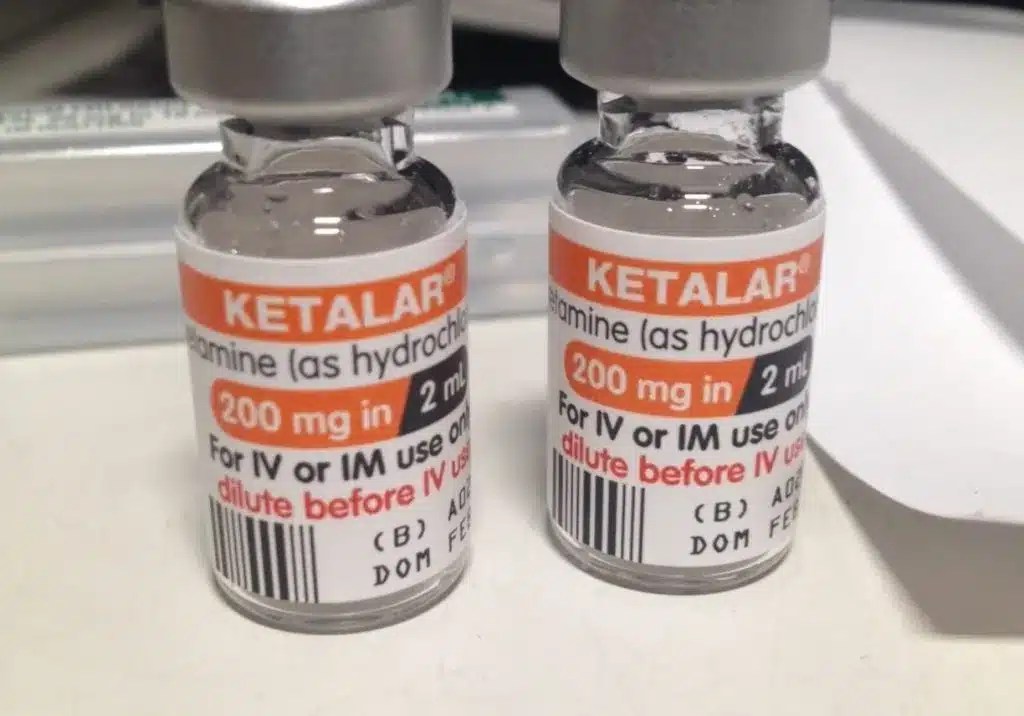
- 10 mg/mL, 20 mL
- 50 mg/mL, 10 mL
- Administration
- Intravenous (IV) injection
- Intramuscular (IM) injection
- Note: Dosage depends on the patient’s weight, age, and medical condition, and is determined by a licensed healthcare provider.
How Ketalar Works
Ketamine acts as a dissociative anesthetic, meaning it produces a trance-like state with:
- Pain relief
- Sedation
- Amnesia of the procedure
It works primarily on the NMDA receptor in the brain, which helps regulate pain, memory, and perception. This unique mechanism makes ketamine effective even when other anesthetics fail.
Important Safety Warnings
Ketalar is not suitable for everyone. Precautions include:
- Heart or blood pressure conditions: May increase risk during administration.
- Liver or kidney disease: Dosage adjustments may be necessary.
- History of substance abuse: Ketamine has psychoactive effects and potential for misuse.
- Pregnancy and breastfeeding: Safety has not been fully established; consult a doctor.
Side Effects
Common Side Effects
- Mild dizziness or drowsiness
- Nausea or vomiting
- Blurred or double vision
- Dream-like sensations or mild hallucinations
Serious Side Effects
- Severe confusion or agitation
- Hallucinations or unusual thoughts
- Abnormal heart rate or breathing
- Allergic reactions (hives, swelling, difficulty breathing)
Drug Interactions
Ketalar can interact with other medications, including:
- Sedatives or sleeping pills
- Narcotic pain relievers
- Muscle relaxants
- Medicines for anxiety, depression, or seizures
Important: Patients should inform their medical provider about all prescription, over-the-counter, and herbal supplements they are taking.
What to Expect During Administration
- Ketalar is injected by a nurse or anesthesiologist in a hospital or clinic.
- Vital signs, including heart rate, blood pressure, and breathing, are continuously monitored.
- Patients may feel drowsy, dizzy, or confused as the anesthesia wears off.
- Post-procedure, patients should not drive or operate machinery for at least 24 hours.
Safety and Handling
- Ketalar should never be self-administered or obtained outside of a healthcare setting.
- Only licensed providers should handle and administer the drug.
- Hospitals follow strict protocols for storage, dosage, and disposal to prevent misuse.
Conclusion
Ketalar is a powerful anesthetic with a range of medical applications, from surgery to emergency care. Its effectiveness and safety depend entirely on proper administration and professional supervision. While ketamine has potential benefits in pain management and anesthesia, misuse or unregulated access is dangerous and illegal in most countries.
Key Takeaways:
- Only use Ketalar under medical supervision.
- Follow prescribed dosages and guidelines.
- Be aware of potential side effects and interactions.
- Never attempt to self-administer or buy without a prescription.
- History of ketamine development
- Modern therapeutic uses (like depression treatment under supervision)
- Detailed patient care instructions
- Comparison with other anesthetics
#Ketalar #Ketamine #Anesthesia #PainManagement #MedicalSedation #KetamineSideEffects #KetamineDosage #HospitalAnesthesia #ProceduralSedation #SafeUse
Ketalar (Ketamine): Uses, Dosage, and Safety Guidelines
Introduction
Ketalar is a prescription anesthetic used primarily to put patients to sleep before surgery or to prevent pain during medical procedures. It is administered by a healthcare professional under strict medical supervision.
Medical Uses of Ketalar
- Induction and maintenance of anesthesia for surgeries
- Pain management in controlled hospital settings
- Used in procedural sedation for diagnostic or minor procedures
Forms and Dosage
- Injectable solution
- Common vial strengths: 10 mg/mL (20 mL vial), 50 mg/mL (10 mL vial)
- Administered intravenously (IV) or intramuscularly (IM) by trained personnel
Important Safety Warnings
- Not suitable for patients with severe high blood pressure or allergic reactions to ketamine
- May cause dizziness, confusion, or unusual thoughts post-surgery
- Can interact with other medications like sedatives, barbiturates, or painkillers
- Pregnancy and breastfeeding: consult a doctor before use
Side Effects
- Common: mild dizziness, drowsiness, nausea, blurred vision
- Serious: hallucinations, severe confusion, abnormal heart rate or breathing
- Medical supervision is required to monitor vital signs
Safe Handling
- Administered only in clinics or hospitals
- Continuous monitoring of heart rate, blood pressure, and breathing
- Patients should not drive or operate machinery for 24 hours post-anesthesia
Conclusion
Ketalar is a powerful anesthetic and must only be used under medical supervision. Misuse or unregulated purchase can lead to serious health and legal consequences. Patients should always consult a licensed healthcare provider for administration and dosage guidance.
| Category | Details |
|---|---|
| Generic Name | Ketamine |
| Brand Name | Ketalar |
| Drug Type | Anesthetic / Dissociative |
| Uses | – Induction and maintenance of anesthesia- Procedural sedation- Pain management in controlled settings |
| Form | Injectable (IV or IM) |
| Common Dosages | – 10 mg/mL, 20 mL vial- 50 mg/mL, 10 mL vial |
| Route of Administration | Intravenous (IV) or Intramuscular (IM) |
| Common Side Effects | – Drowsiness, dizziness- Nausea, vomiting- Blurred vision- Dream-like sensations |
| Serious Side Effects | – Severe confusion, hallucinations- Irregular heart rate or breathing- Allergic reactions |
| Contraindications | – Allergy to ketamine- Uncontrolled high blood pressure- Recent MAO inhibitor use |
| Precautions | – Pregnancy/breastfeeding- Heart, liver, or kidney disease- History of substance abuse |
| Interactions | – Sedatives, sleeping pills- Narcotic pain medication- Muscle relaxants- Medications for anxiety, depression, or seizures |
| Administration Setting | Hospital or clinic under professional supervision |
| Post-Procedure Advice | – Do not drive or operate machinery for 24 hours- Monitor for unusual thoughts or hallucinations |
The use of ketamine in anesthesia reflects its characteristics. It is a drug of choice for short-term procedures when muscle relaxation is not required. The effect of ketamine on the respiratory and circulatory systems is different from that of other anesthetics. It suppresses breathing much less than most other available anesthetics. When used at anesthetic doses, ketamine usually stimulates rather than depresses the circulatory system. Protective airway reflexes are preserved, and it is sometimes possible to administer ketamine anesthesia without protective measures to the airways. Psychotomimetic effects limit the acceptance of ketamine; however, lamotrigine and nimodipine decrease psychotomimetic effects and can also be counteracted by benzodiazepines or propofol administration. Ketofol is a combination of ketamine and propofol.