Diphenhydramine Hydrochloride: Pharmaceutical Properties, Medical Uses, and Research Applications
Introduction
Diphenhydramine Hydrochloride is a widely used first-generation antihistamine known for its sedative, anti-allergic, and antitussive (cough-suppressing) properties. It belongs to the class of ethanolamine antihistamines and works primarily as an H? receptor antagonist, reducing histamine-induced allergic responses such as itching, sneezing, and hives.
Commonly recognized under brand names like Benadryl®, Nytol®, and Sominex®, diphenhydramine has been in use since the 1940s and remains a foundational compound in both clinical medicine and pharmacological research.
Informational: Chemical Identity and Physical Properties
| Property | Details |
|---|---|
| Chemical Name | 2-(Diphenylmethoxy)-N,N-dimethylethylamine hydrochloride |
| Molecular Formula | C??H??NO·HCl |
| Molecular Weight | 291.82 g/mol |
| CAS Number | 147-24-0 |
| IUPAC Name | 2-(Diphenylmethoxy)-N,N-dimethylethanamine hydrochloride |
| Chemical Class | Ethanolamine antihistamine |
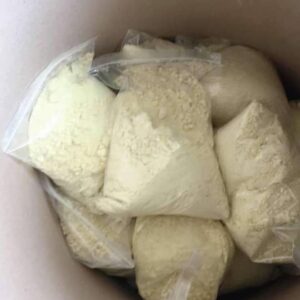
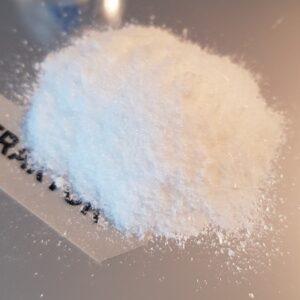
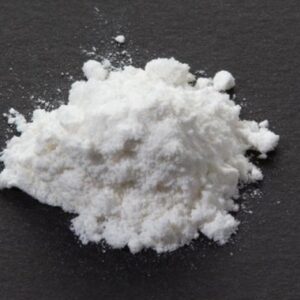
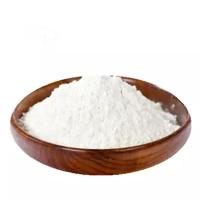
| Appearance | White crystalline powder |
| Melting Point | 167–170 °C |
| Solubility | Freely soluble in water and alcohol; practically insoluble in ether |
| Storage Conditions | Store in airtight containers, protected from light and moisture |
Mechanism of Action
Diphenhydramine hydrochloride acts as a competitive antagonist at H? histamine receptors. By blocking histamine binding, it prevents vasodilation, capillary permeability, and sensory nerve stimulation — the physiological effects responsible for allergy symptoms.
In addition to antihistaminic activity, diphenhydramine exhibits anticholinergic and sedative effects, which account for its secondary uses as:
- A sleep aid for transient insomnia.
- An adjunct in motion sickness prevention.
- A local anesthetic alternative for lidocaine-sensitive patients.
Pharmacological and Therapeutic Uses
Diphenhydramine hydrochloride serves in multiple therapeutic categories, from allergy management to sleep regulation.
| Medical Application | Typical Use Case | Dosage Form |
|---|---|---|
| Allergic Reactions | Rhinitis, urticaria, conjunctivitis | Tablets, capsules, oral solution |
| Cold and Flu Relief | Combines with decongestants | Combination formulations |
| Insomnia | Short-term sedative | Sleep aids (OTC) |
| Motion Sickness | Nausea and vertigo control | Oral or injectable forms |
| Parkinsonism (Adjunct) | Reduces tremors and rigidity | Prescription use |
| Local Anesthesia Substitute | Minor dermatologic procedures | Injectable preparation |
?? Note: Diphenhydramine is not recommended for chronic insomnia or long-term therapy due to tolerance and cognitive side effects.
Navigational: Pharmaceutical and Research Availability
Diphenhydramine hydrochloride is readily available through licensed pharmaceutical distributors, chemical suppliers, and research reagent vendors.
| Supplier Category | Form Available | Intended Use |
|---|---|---|
| Pharmaceutical wholesalers | Tablets, capsules, syrups | Retail / hospital use |
| Research-grade suppliers | Powder, analytical standard | Pharmacological and formulation studies |
| Compounding pharmacies | Bulk API form | Custom formulations |
| Forensic laboratories | Reference material | Toxicological testing and calibration |
Regulatory Framework:
- Approved by U.S. FDA, EMA, and WHO.
- Listed under USP/NF and EP monographs.
- Subject to Good Manufacturing Practice (GMP) and Good Distribution Practice (GDP) standards for active pharmaceutical ingredients (APIs).
Commercial: Market Insights and Industrial Use
1. Global Demand and Market Growth
The global diphenhydramine market continues to expand due to increasing demand for OTC allergy and sleep-aid medications. It remains a cost-effective benchmark antihistamine used in both single-ingredient and combination products.
2. Formulation Development
Pharmaceutical industries utilize diphenhydramine hydrochloride in:
- Oral formulations: tablets, chewables, syrups.
- Topical creams: for itching and rash relief.
- Injectables: for acute allergic reactions.
- Capsule blends: for dual-action allergy and sleep relief.
3. Research Applications
In laboratory settings, diphenhydramine is employed as:
- A reference compound for antihistamine efficacy assays.
- A control agent in receptor-binding studies.
- A prototype molecule for developing newer, non-sedating antihistamines.
Transactional: Safety Profile and Regulatory Compliance
Safety Classification
| Hazard Category (GHS) | Symbol | Precautionary Statements |
|---|---|---|
| Acute Toxicity, Oral | ?? | Avoid ingestion of raw compound |
| Eye Irritant | ?? | Use protective goggles |
| Skin Sensitizer | ?? | Wear gloves; avoid prolonged exposure |
| Environmental Hazard | ?? | Do not dispose in wastewater |
Handling and Storage
- Store below 25 °C in a dry, light-protected environment.
- Avoid direct contact; handle with laboratory gloves.
- Dispose of residual material via approved pharmaceutical waste management systems.
Overdose and Toxicology
Overdosage can result in CNS depression, anticholinergic effects, or cardiac arrhythmias. Emergency treatment involves activated charcoal, symptomatic management, and hospital monitoring.
Comparative Overview: Diphenhydramine vs. Second-Generation Antihistamines
| Feature | Diphenhydramine (1st Gen) | Loratadine (2nd Gen) | Cetirizine (2nd Gen) |
|---|---|---|---|
| Onset of Action | Rapid (15–30 min) | Moderate (30–60 min) | Moderate (30–60 min) |
| Sedative Effect | Strong | Minimal | Mild |
| Duration | 4–6 hours | 24 hours | 24 hours |
| Anticholinergic Activity | High | Low | Low |
| Clinical Use | Acute allergy, sleep aid | Seasonal allergy | Chronic allergy |
| OTC Availability | Yes | Yes | Yes |
Diphenhydramine remains the preferred short-term antihistamine for rapid relief or when sedation is desired.
Research and Development Outlook
Current research continues to explore diphenhydramine’s neuroprotective, anti-inflammatory, and antiviral potential. Studies are investigating:
- Histamine-independent pathways in inflammation control.
- Potential repurposing as a neurological modulator in Parkinson’s disease models.
- Formulation improvements to reduce drowsiness while retaining efficacy.
These findings support ongoing academic and pharmaceutical interest in this classic compound.
Legal and Ethical Supply Chain
Diphenhydramine hydrochloride is a fully legal compound when sourced through authorized pharmaceutical or research suppliers.
| Region | Regulatory Status | Agency Oversight |
|---|---|---|
| United States | FDA-approved OTC & Rx drug | U.S. Food and Drug Administration |
| European Union | EMA-authorized substance | European Medicines Agency |
| Canada | Schedule F, OTC available | Health Canada |
| Australia | Schedule 2 (Pharmacy medicine) | Therapeutic Goods Administration |
| India | Approved drug, CDSCO-regulated | Central Drugs Standard Control Organization |
? Always verify supplier credentials and ensure materials comply with pharmacopoeial standards (USP, EP, JP) before laboratory or production use.
Conclusion
Diphenhydramine Hydrochloride remains one of the most versatile and studied antihistamines globally. Its broad pharmacological profile, proven safety record, and regulatory acceptance make it indispensable in clinical medicine and pharmaceutical R&D.
For licensed researchers, healthcare providers, and industry professionals, it continues to serve as a benchmark compound for allergy management, formulation science, and receptor-binding research — bridging the gap between classic therapeutics and modern innovation.
Keywords
diphenhydramine hydrochloride powder • antihistamine research compound • diphenhydramine API supplier • pharmaceutical-grade diphenhydramine • diphenhydramine mechanism of action • diphenhydramine for research use • diphenhydramine analytical reference standard
Buy Diphenhydramine Hydrochloride HCl/ CAS 147-24-0 / factory supply
Diphenhydramine Hydrochloride (HCl)
Description:
- Chemical Name: Diphenhydramine Hydrochloride
- CAS Number: 147-24-0
- Molecular Formula: C17H21NO
- Molecular Weight: 255.36 g/mol
- Appearance: White powder
Properties:
- Purity: ?99%
- Solubility: Soluble in ethanol, chloroform, and water.
- Storage: Store in a cool, dry, and ventilated place.
- Delivery Time: Typically 48 hours.
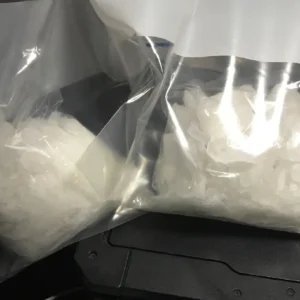
- Packaging: Commonly available in 1 kg packages.
- Production Capacity: Around 1000 bottles/day.
Uses:
- Medical Applications: Diphenhydramine is used to treat allergies, insomnia, symptoms of the common cold, nausea, and tremors in Parkinsonism. It is available in various forms including oral tablets, injectables, and topical applications.
- Mechanism: It is a first-generation antihistamine and works by blocking histamine H1 receptors. It also has anticholinergic properties.
Side Effects:
- Common side effects include drowsiness, poor coordination, and gastrointestinal upset. Not recommended for young children or elderly individuals. Use during pregnancy is generally considered safe, but it’s not recommended during breastfeeding.
Legal and Safety Information:
- Regulation: Available as a prescription and over-the-counter medication. Always use according to the guidelines provided by healthcare professionals.
- Handling: Use appropriate safety gear and follow all handling guidelines to prevent exposure.